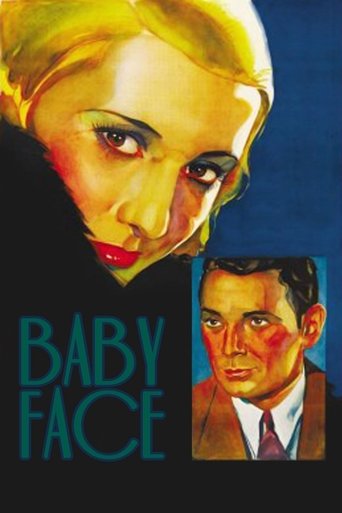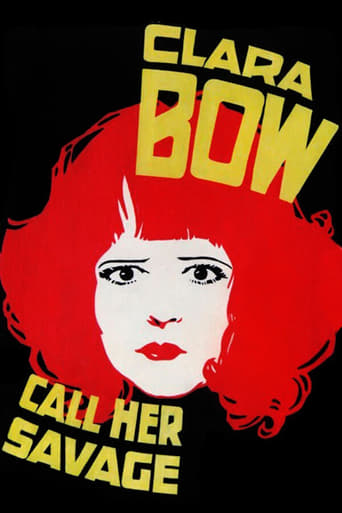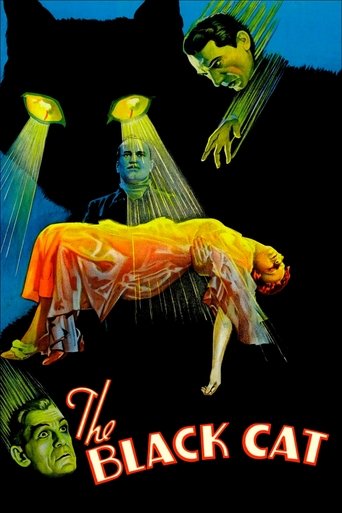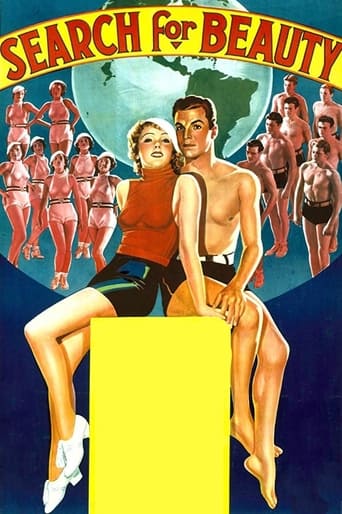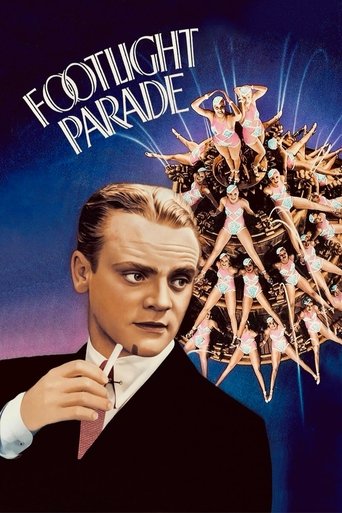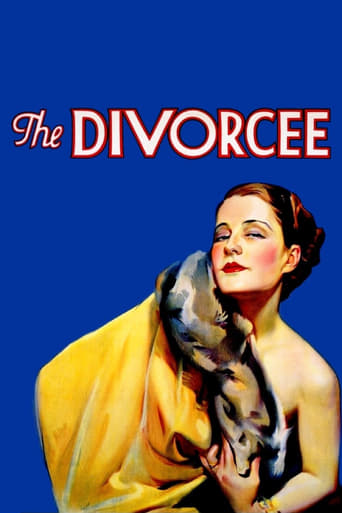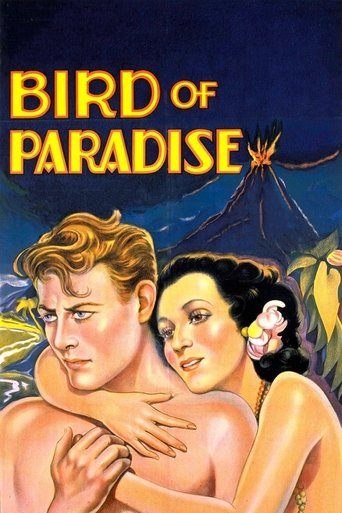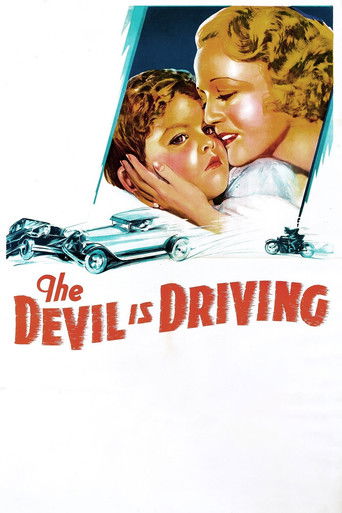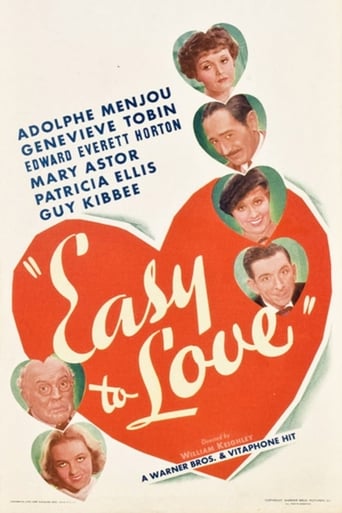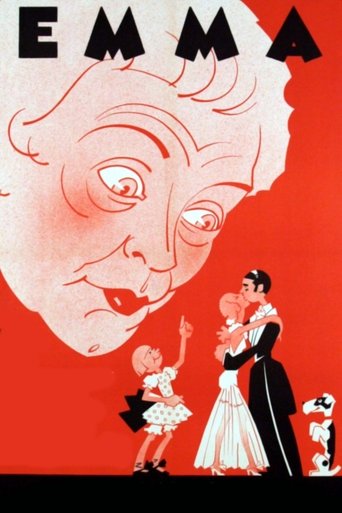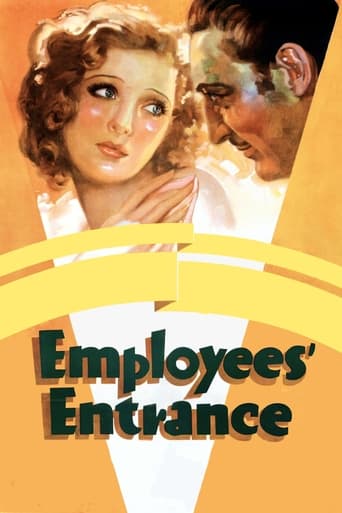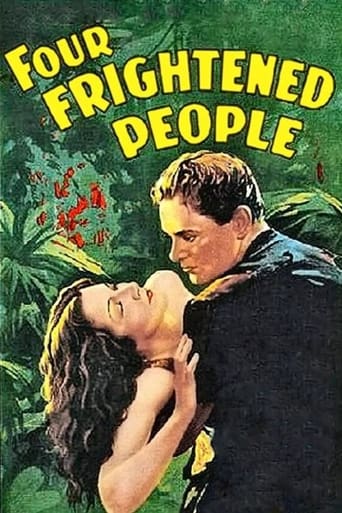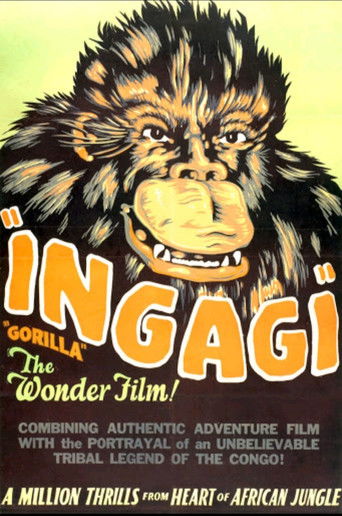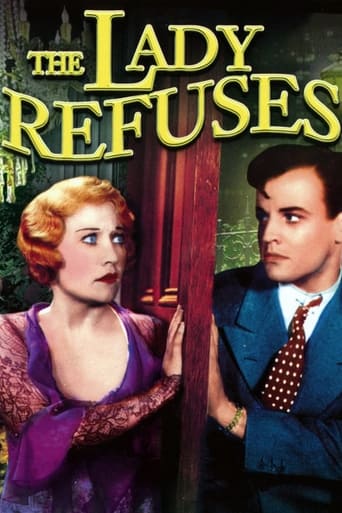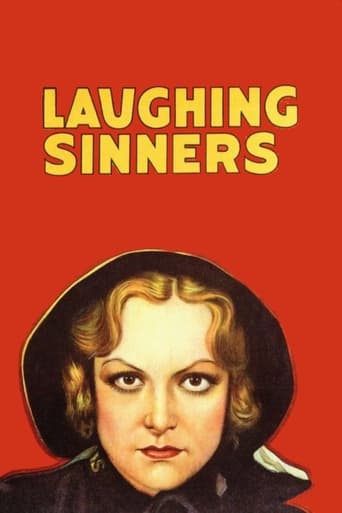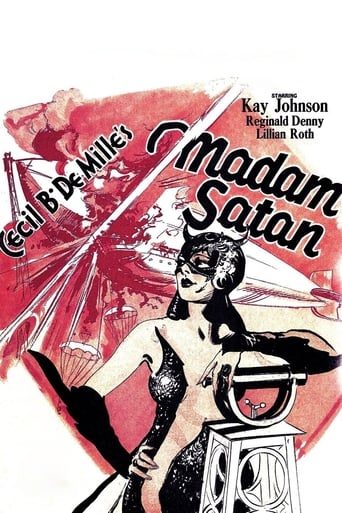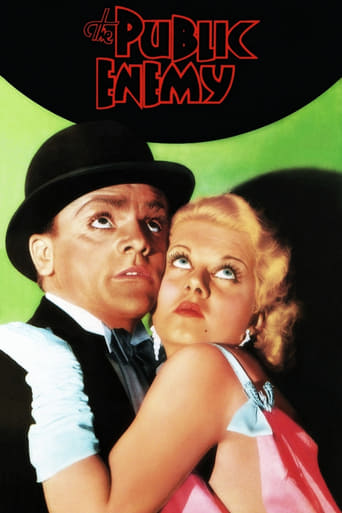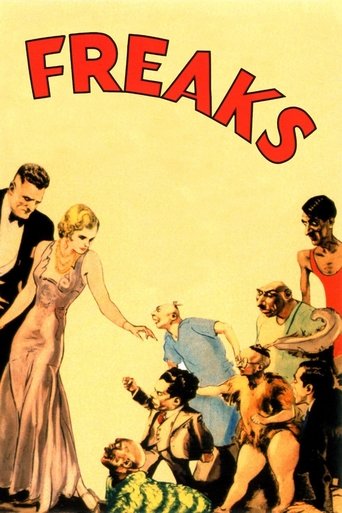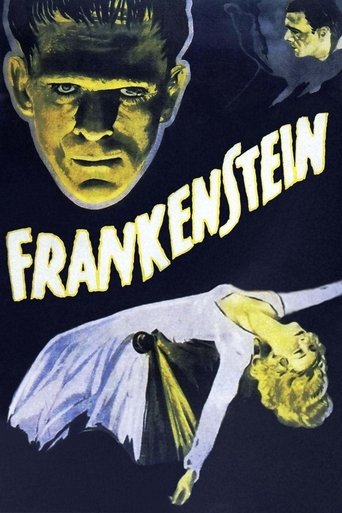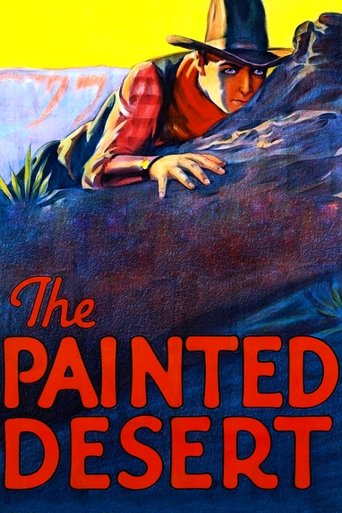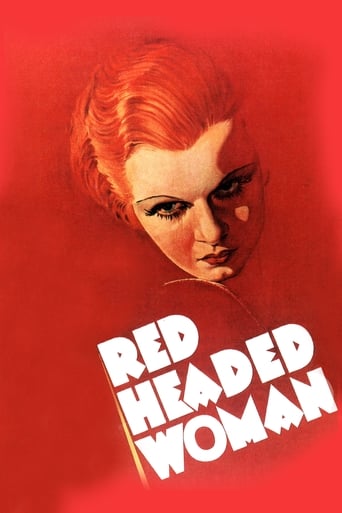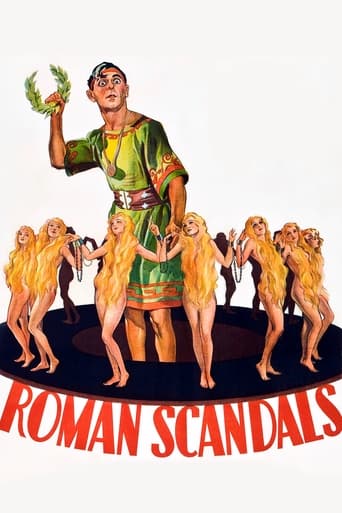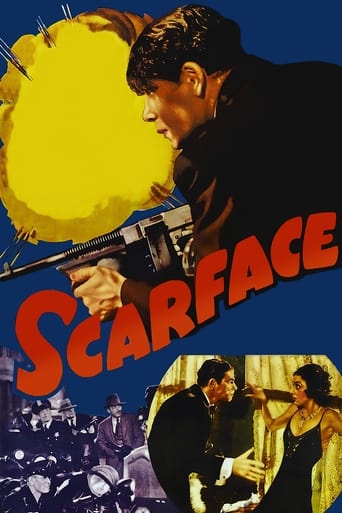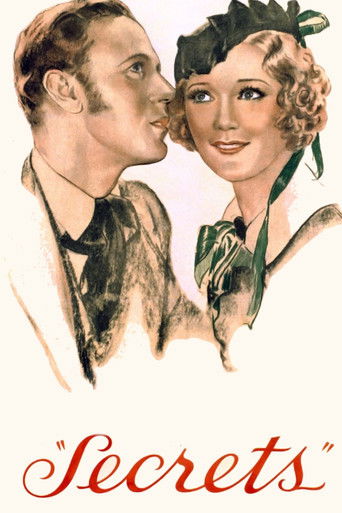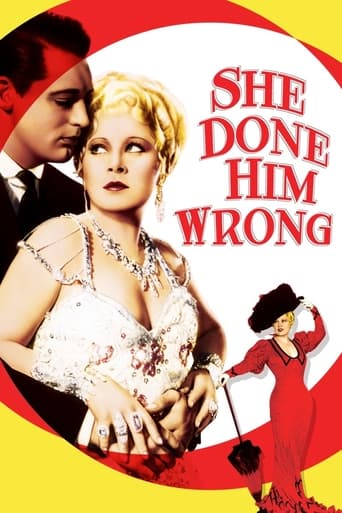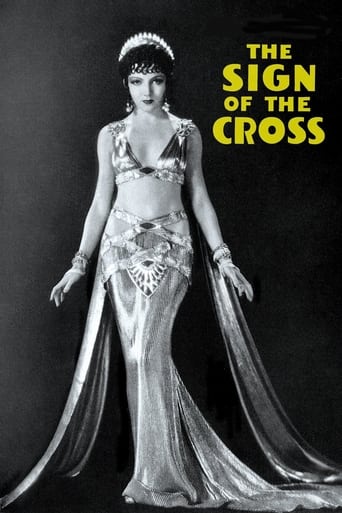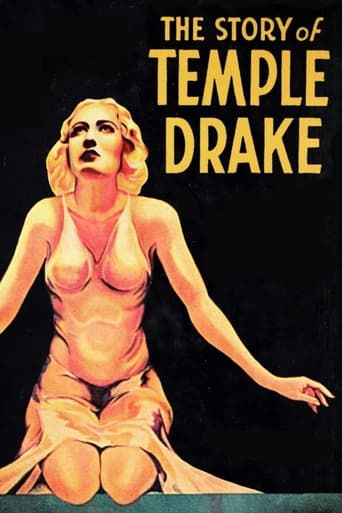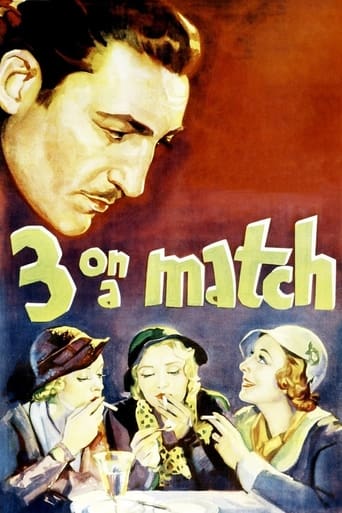
PRE-CODE ICONIC FILMS
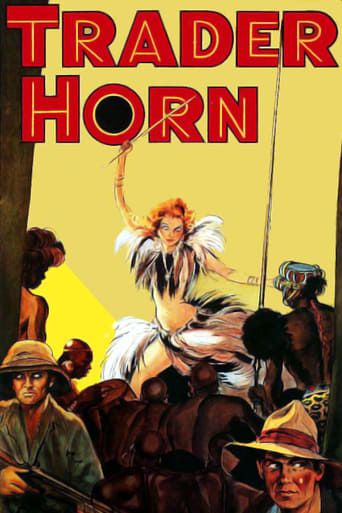
36 films See all 36 films ↓This collection sits inside a specific, bounded window: March 1930, when Hollywood's studios adopted their own Motion Picture Production Code, to July 1934, when a newly empowered enforcement office started actually requiring a stamp of approval before any film could reach American theaters. The Code itself wasn't an outside imposition — it was written by the industry for the industry, at the urging of Will Hays, a former Postmaster General the studios hired in 1922 specifically to head off a worse outcome. Hollywood in the early '20s had been rocked by real scandal, and state and city censor boards were already carving up the country into an inconsistent, expensive patchwork every film had to individually survive. A single, national, self-authored code was Hollywood's bet that self-regulation would be cheaper and less chaotic than the alternative — not a constraint the industry had no hand in, but a defensive move against something the studios feared more.
That's also the logic underneath why a uniform code served every studio's interest even when no single studio wanted the specific restrictions: without one, competing for audiences by pushing further than the next guy becomes the only way to stand out, and that kind of contest has no natural floor. A rule book everyone plays by removes that particular race, even for the executives who privately found it restrictive.
The films in this collection exist because that first code had no real enforcement mechanism behind it, and the Depression gave studios every incentive to test that. Box office was collapsing industry-wide, and sex, vice, and violence reliably sold tickets when little else did. What ended the era wasn't a single clean verdict but a mounting economic threat: the Catholic Church's Legion of Decency, formed in 1934, organized the credible prospect of a coordinated national boycott at the worst possible moment for an already-fragile industry. The studios' answer was the Production Code Administration under Joseph Breen, which made approval mandatory rather than advisory, backed by real fines for noncompliance. From that point on, nothing got to a theater without his office's sign-off.
What's often repeated as specific rules from this fight — twin beds, a fixed number of inches apart, a foot that had to stay on the floor — mostly weren't written into the Code's own text, which tended to speak in vaguer terms like "good taste and delicacy" and left the particulars to negotiation. Some of what became industry-wide practice seems to have been absorbed from other countries' censors rather than invented by the Code itself, since a film that couldn't be sold abroad was a film that lost real money. The result either way was a system built less on a fixed rulebook than on a running negotiation between studios and censors over where the line actually sat — which is precisely the tension this collection sits inside: films made by an industry that had agreed, in principle, to police itself, in the specific years before anyone was seriously checking.