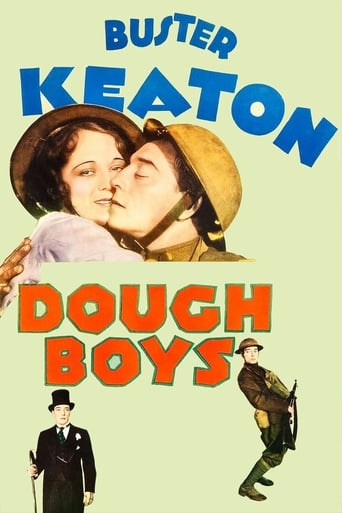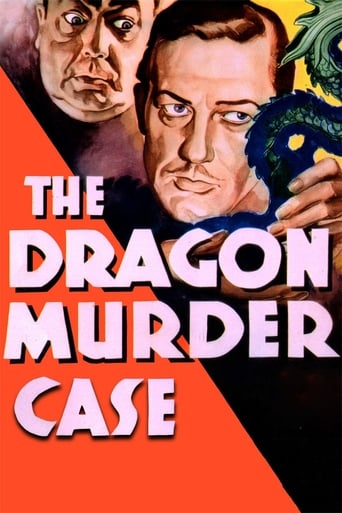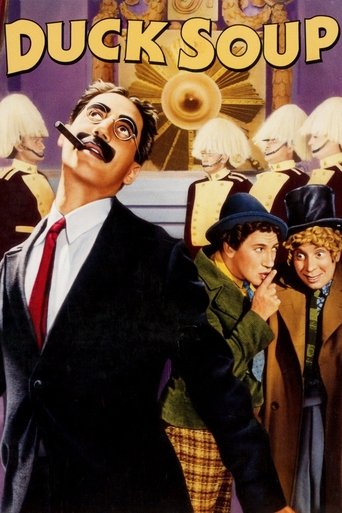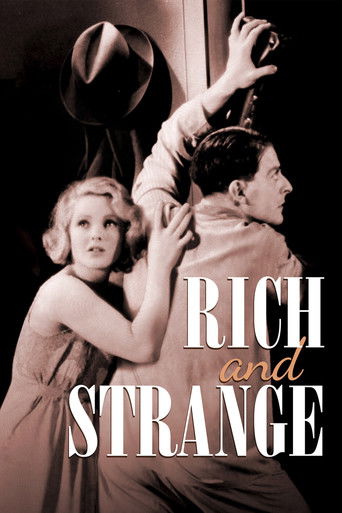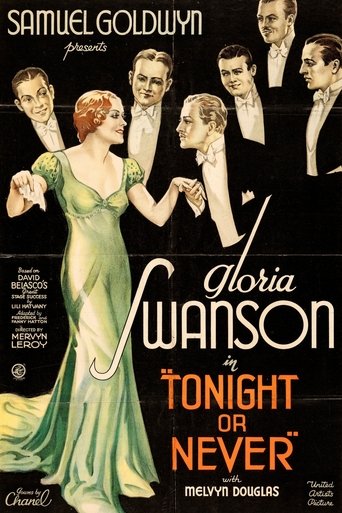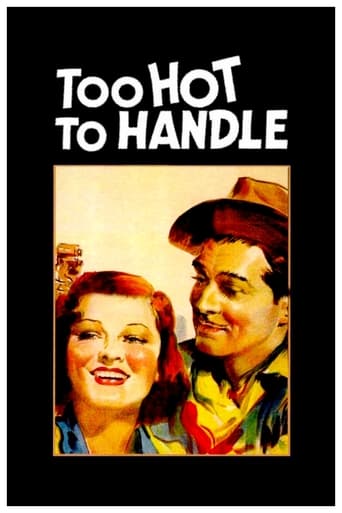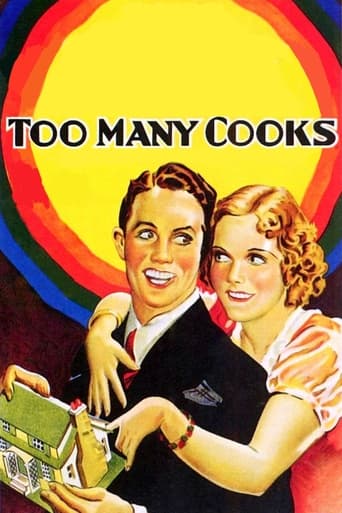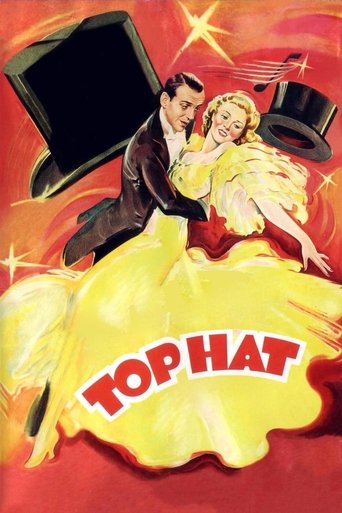
30's Comedy
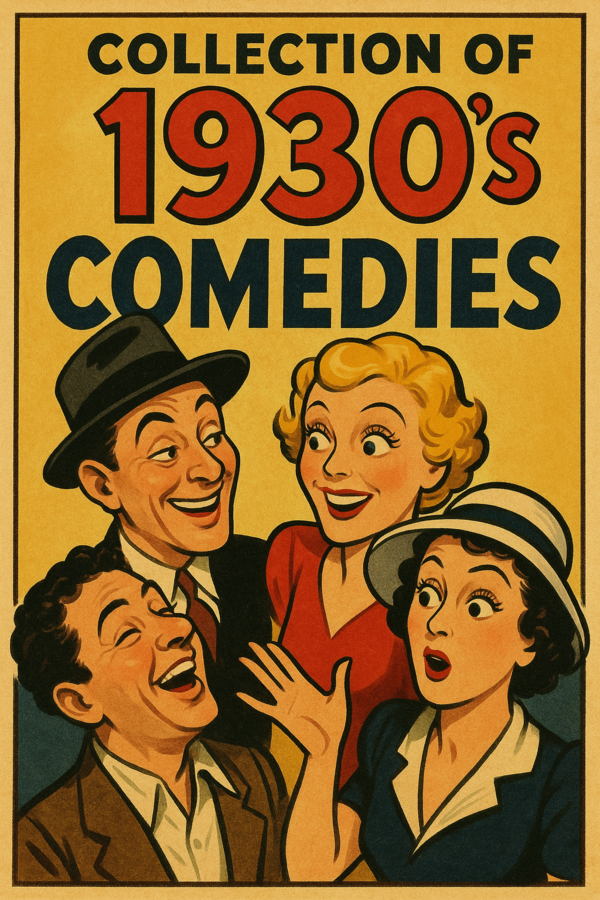
618 films See all 618 films ↓A showcase of 1930s screen comedy, chronicling Hollywood’s transition from the uncensored bite of the Pre-Code era into the golden age of screwball, musical, and slapstick cinema. Spanning 1930 to 1939, this collection brings together the rapid-fire wit of Cary Grant and Katharine Hepburn, the anarchic absurdity of the Marx Brothers and Laurel & Hardy, the continental sophistication of Ernst Lubitsch, and high-energy Busby Berkeley musical extravaganzas. From biting social satire and class-conscious romances to manic farces and comedic whodunits, these films capture an era that redefined dialogue, timing, and cinematic joy.
Pre-Code Comedies (1930–1934):
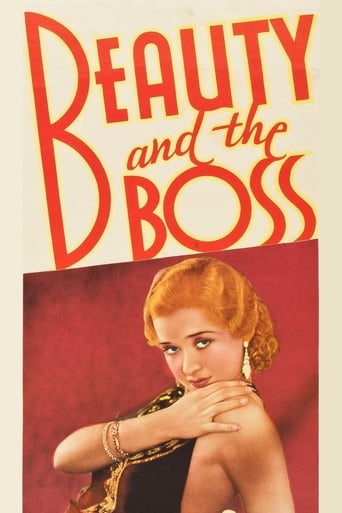
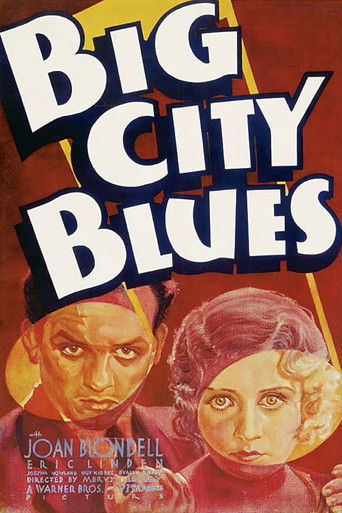
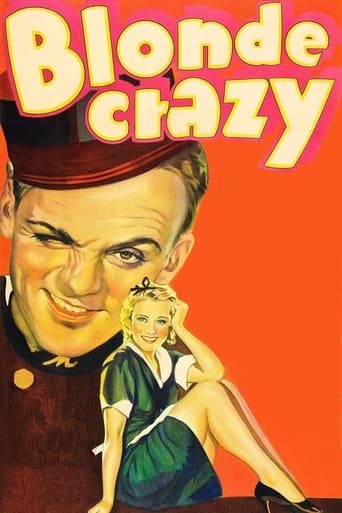
Features early talkies produced prior to the strict enforcement of the Motion Picture Production Code in mid-1934. Notable titles include Blonde Crazy (1931), Beauty and the Boss (1932), Bed of Roses (1933), Big City Blues (1932), and Design for Living (1933), characterized by cynical urban dialogue, risqué romantic dynamics, and working-class grit.
Screwball & Battle-of-the-Sexes (1934–1939):
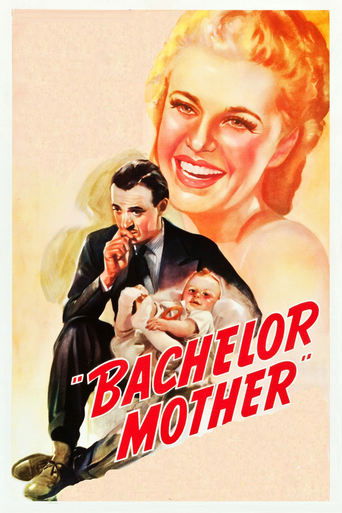
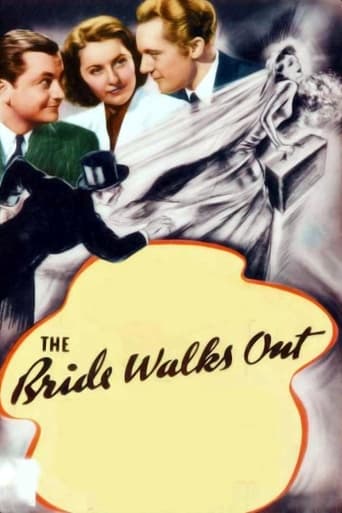
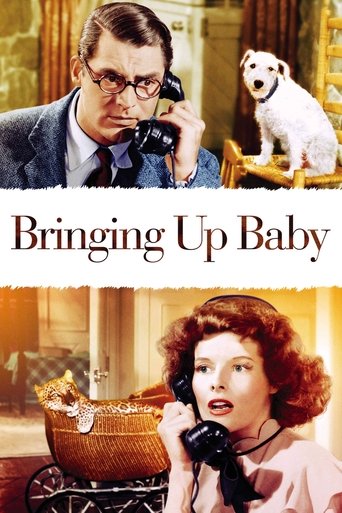
The backbone of late-30s Hollywood comedy, emphasizing eccentric heroines, flustered leading men, and rapid overlapping dialogue. Highlighted by genre cornerstones such as Howard Hawks’ Bringing Up Baby (1938), Bachelor Mother (1939), The Bride Walks Out (1936), and Breakfast for Two (1937).
Slapstick & Legendary Comedy Teams:
Heavy representation of established comedy duos and troupes navigating sound:
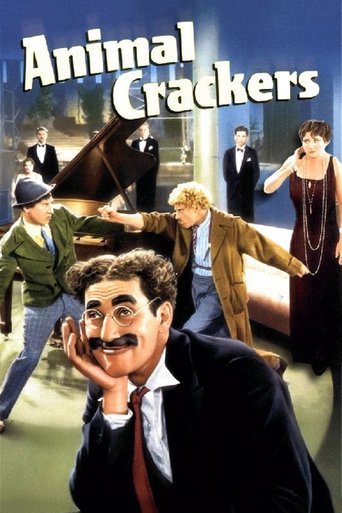
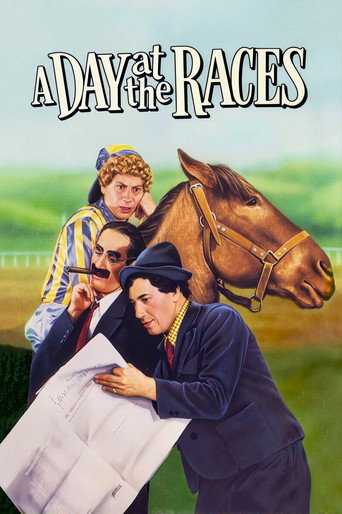
The Marx Brothers: Animal Crackers (1930), A Day at the Races (1937), and At the Circus (1939).
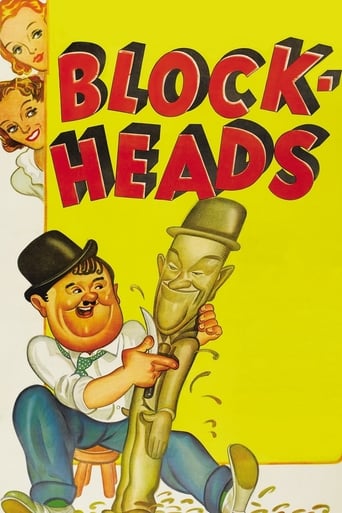
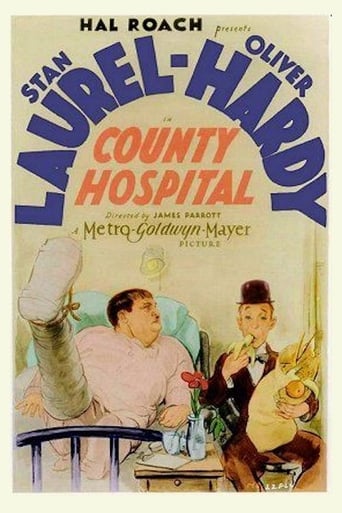
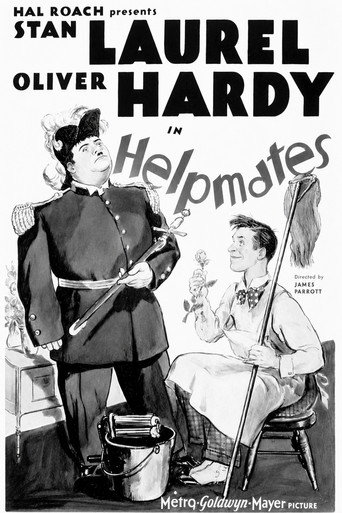
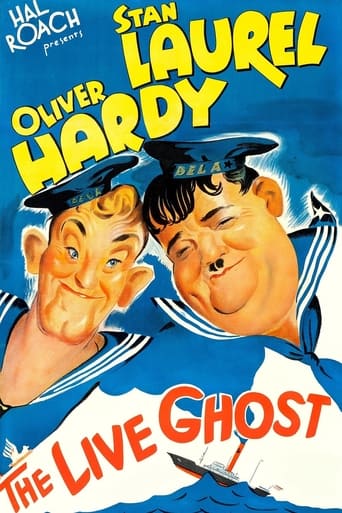
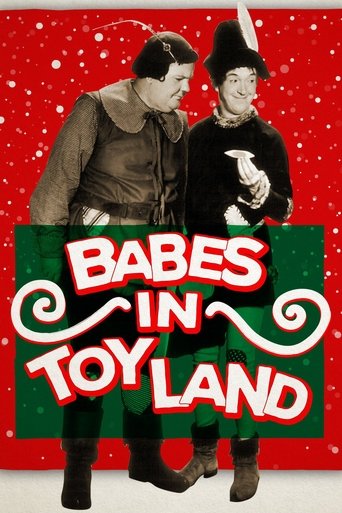
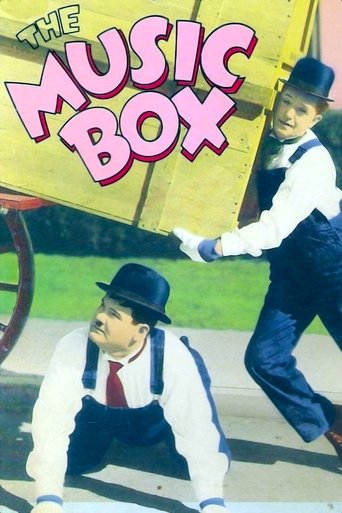
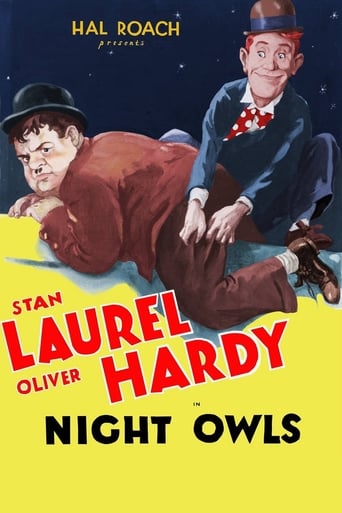
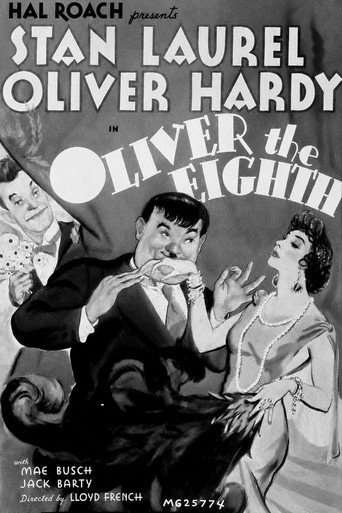
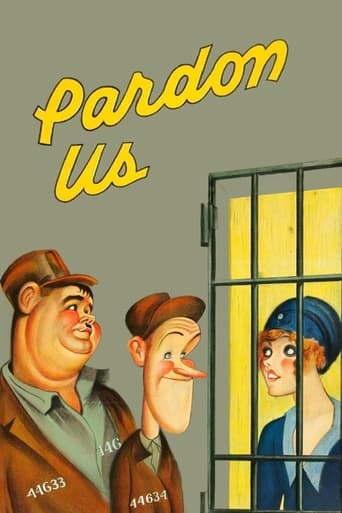
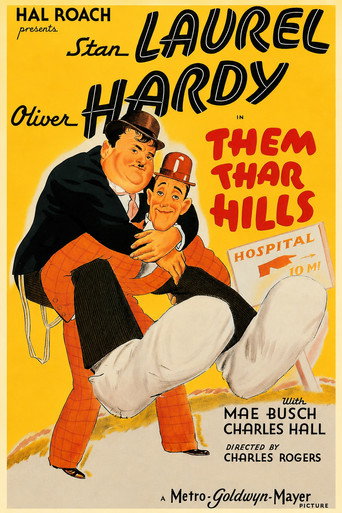
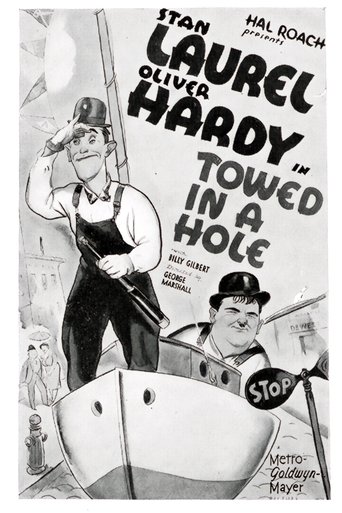
Laurel & Hardy: Babes in Toyland (1934), County Hospital (1932), and Block-Heads (1938).
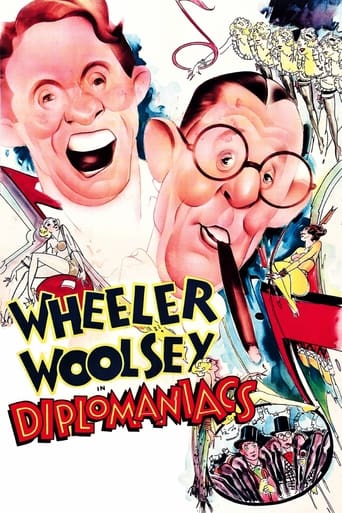
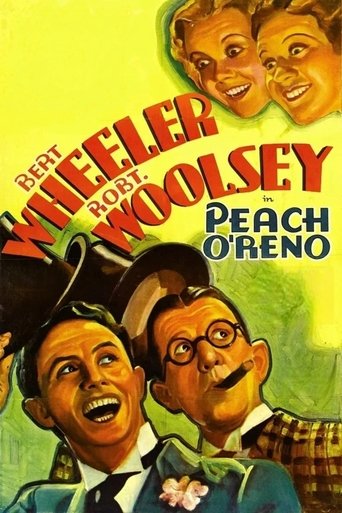
Wheeler & Woolsey: Diplomaniacs (1933).
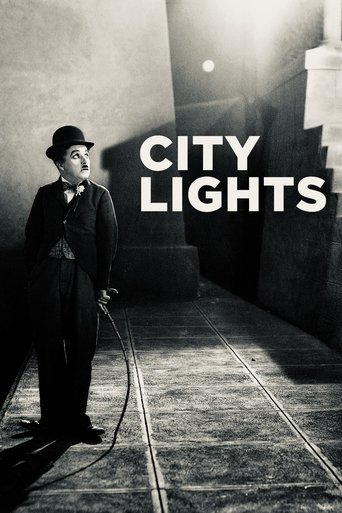
Charlie Chaplin: City Lights (1931), showcasing Chaplin’s synchronized sound-and-music approach to silent pantomime.
The "Lubitsch Touch" & Continental Romance:
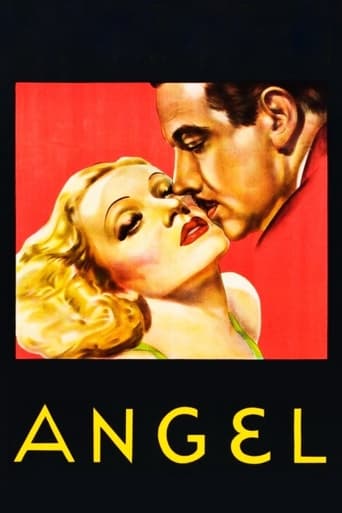
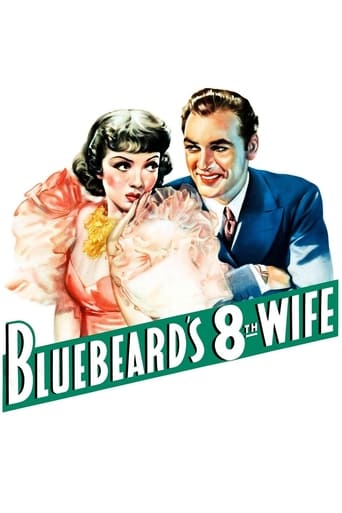
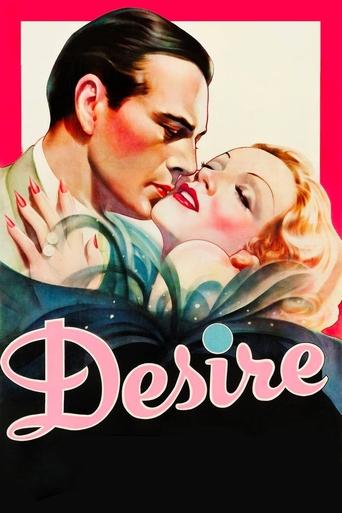
Ernst Lubitsch’s elegant, sexually frank European comedies: Angel (1937), Bluebeard’s Eighth Wife (1938), Design for Living (1933), and the Lubitsch-produced Desire (1936).
Musical Comedies & Backstage Revues:
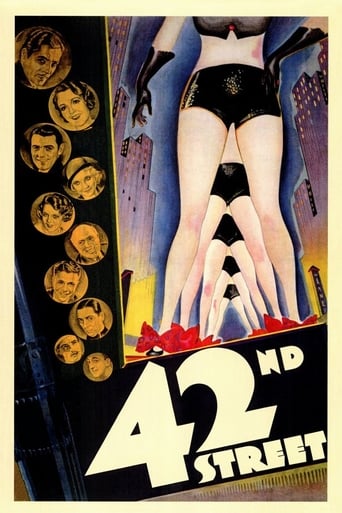
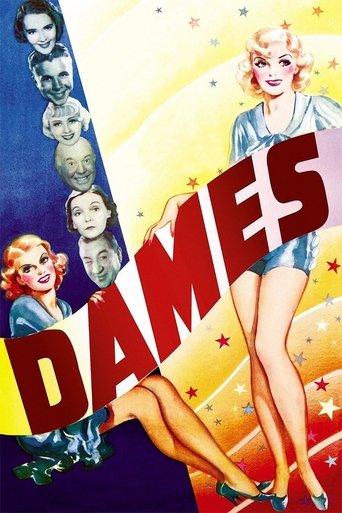
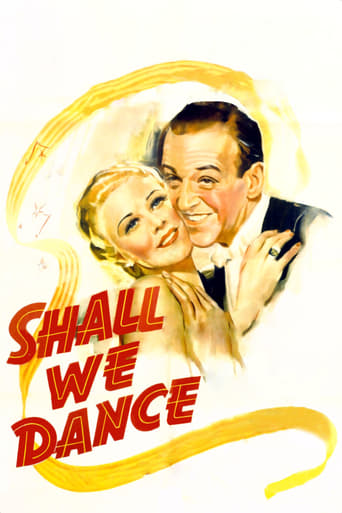
Elaborate depression-era musical escapism, driven by Busby Berkeley choreography and song-and-dance pairings: 42nd Street (1933), Dames (1934), A Damsel in Distress (1937, Fred Astaire), Carefree (1938, Astaire & Rogers), and Bing Crosby vehicles (Doctor Rhythm, College Humor).
Comic Mysteries & Spook Spoofs:
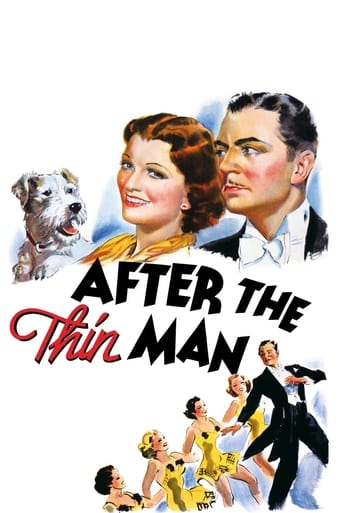
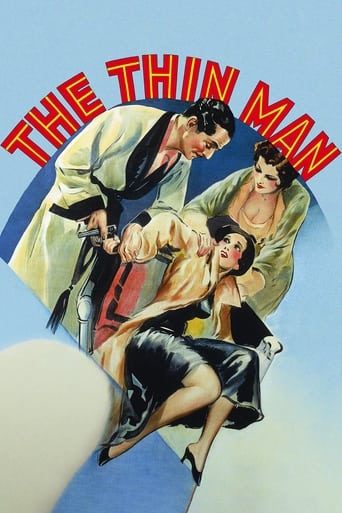
Hybrid murder mysteries and comic thrillers, including William Powell and Myrna Loy in After the Thin Man (1936) and Bob Hope in The Cat and the Canary (1939).