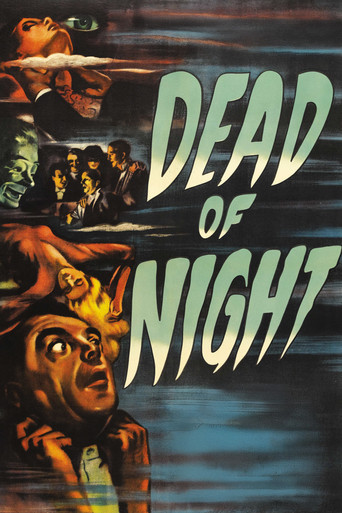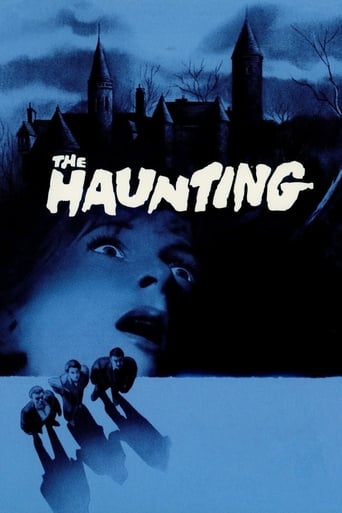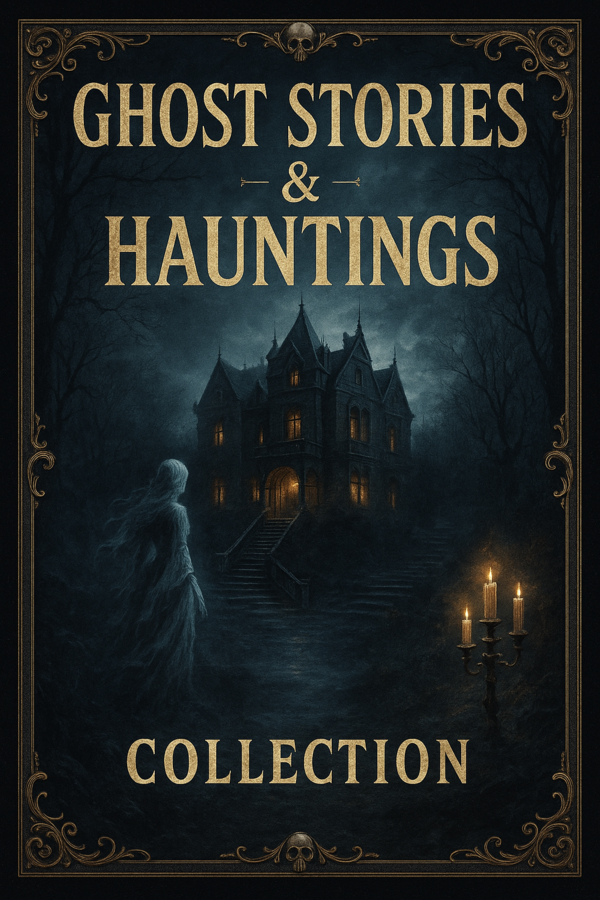
GHOSTS AND HAUNTING
30 films See all 30 films ↓Ghost and haunting films occupy a distinct psychological space within horror, pivoting away from physical pursuit or visceral gore toward atmosphere, dread, and the inescapable weight of the past. Rather than confronting a tangible monster that can be physically fought or evaded, characters in haunting narratives face disembodied presences tethered to specific locations, objects, or unresolved historical traumas.
The genre trades on the subversion of safety: the home, the asylum, or the isolated estate—sanctuaries meant to protect the living—are revealed to be permeable boundaries where the dead retain agency. Through slow-burn pacing, uncanny sound design, and shifting spatial geometry, haunting films externalize internal anxieties such as grief, guilt, madness, and the fear of being forgotten.
Thematic Pillars Derived from This Collection
Spanning classic gothic cinema, 1970s and 80s haunted house touchstones, J-horror benchmarks, and modern supernatural thrillers, this 30-film collection emphasizes several recurring thematic currents:
1. The Violation of the Domestic Sanctuary
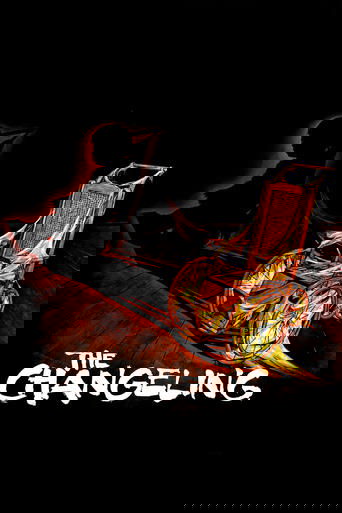
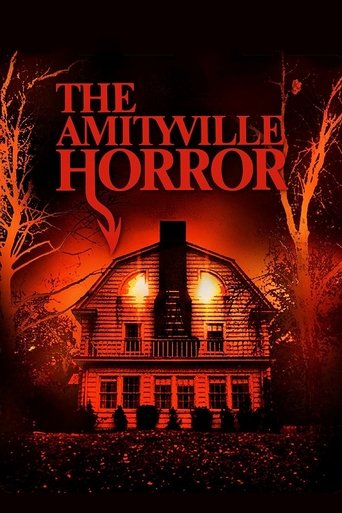
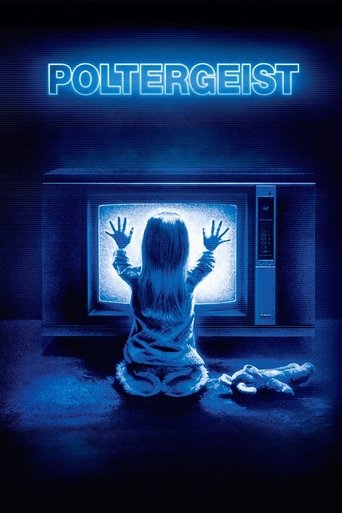
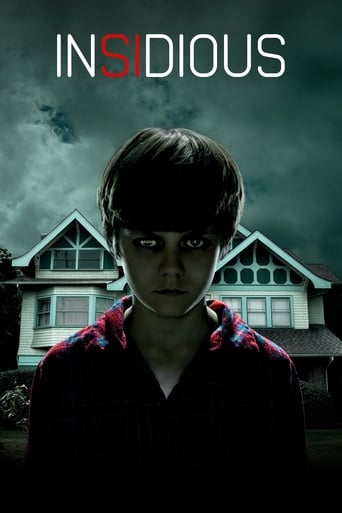
A defining thread across properties like The Amityville Horror, Poltergeist, The Changeling, and Insidious is the inversion of home as a safe haven. Here, the domestic space becomes a trap, demonstrating that architecture is never truly neutral; it absorbs the violence, secrets, and structural flaws of its builders and inhabitants.
2. Grief, Guilt, and Psychological Projection
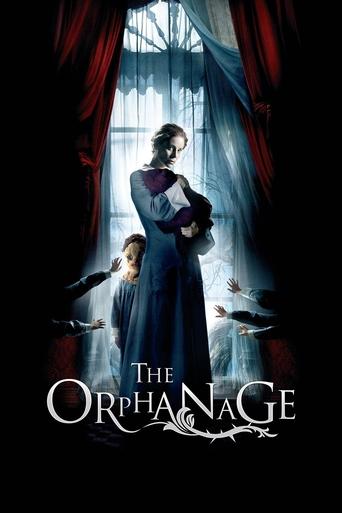
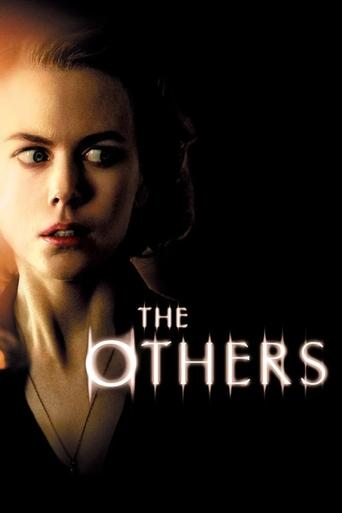
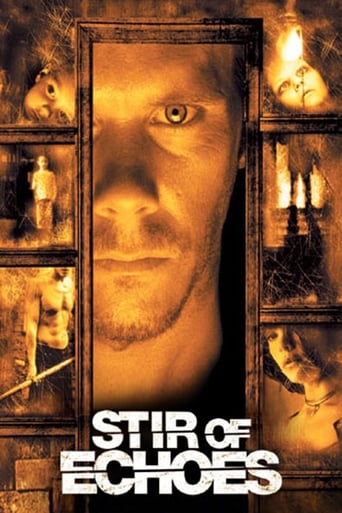
Many entries use the supernatural as a direct metaphor for emotional trauma and psychological decay. Films such as The Others, The Orphanage, Session 9, Stir of Echoes, and Jessabelle blur the line between actual ghosts and the crushing weight of survivor's guilt, dementia, or repressed memory, questioning whether the entity haunting the protagonist is external or a manifestation of a fractured mind.
3. Architectural Memory and Generational Sin
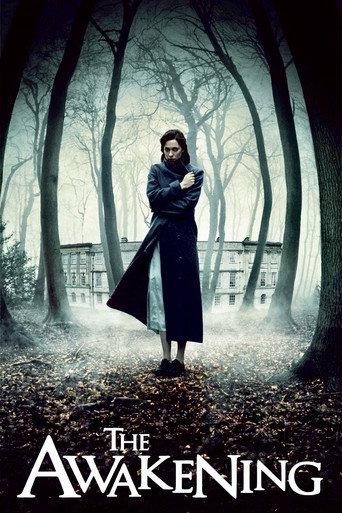
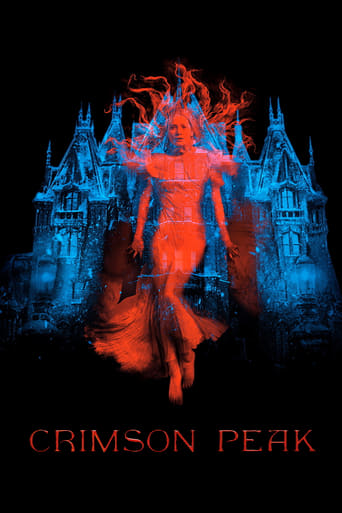
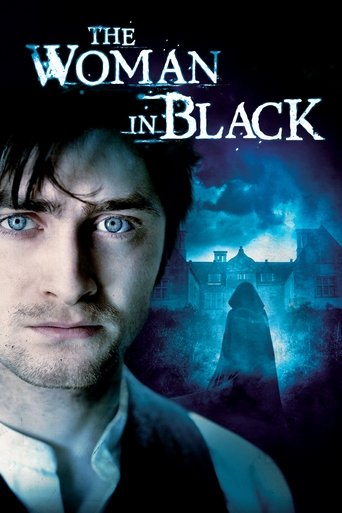
Gothic and historical hauntings—exemplified by Crimson Peak, The Woman in Black, The Awakening, and The Legend of Hell House—focus on institutional corruption and ancestral culpability. In these stories, the past cannot be buried; physical structures built on exploitation, murder, or institutional abuse retain a malignant momentum that demands reckoning from the living descendants or investigators who cross their thresholds.
4. Contagious Malice and Inescapable Curses
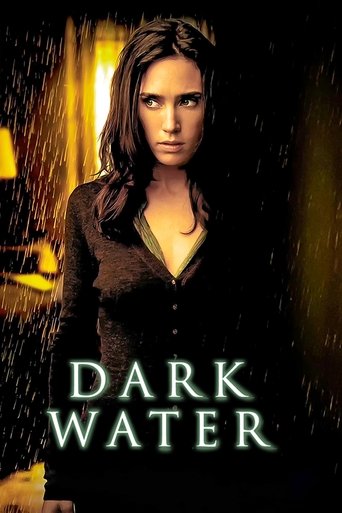
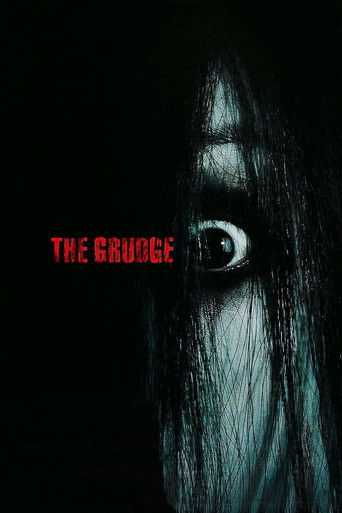
Moving away from localized hauntings, works like The Grudge, Dark Water, The Fog, Lights Out, and Oculus present supernatural forces as viral or systemic. The hauntings in these films are not bound to a single room or house, but cling to objects, water systems, curses, or darkness itself, rendering spatial flight useless.
5. Epistemological Dread and Skepticism
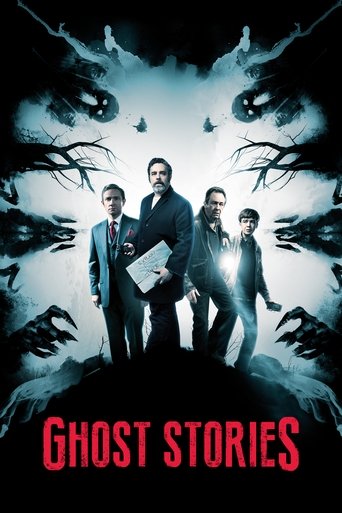
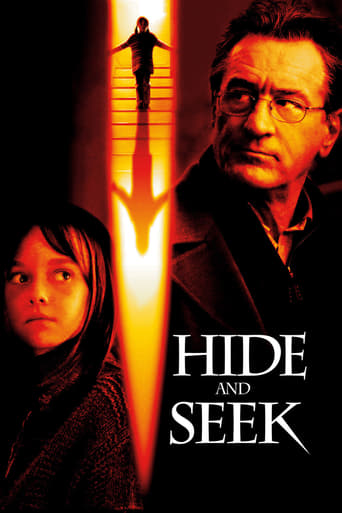
A recurring narrative engine in films like Oculus, Session 9, Ghost Stories, Hide and Seek, and The Autopsy of Jane Doe involves rationalists, scientists, or skeptics forced to confront phenomena that defy empirical analysis. The horror arises not just from the threat itself, but from the systemic erosion of logic, data, and sanity as objective reality collapses.