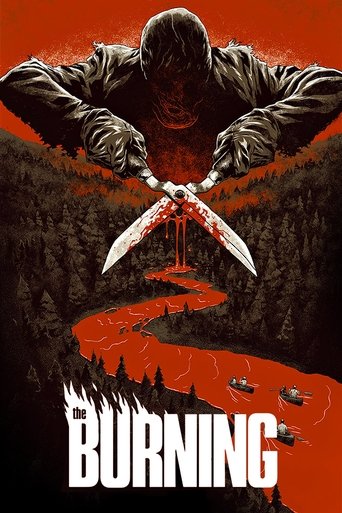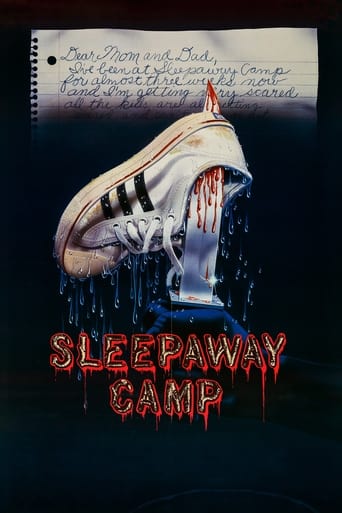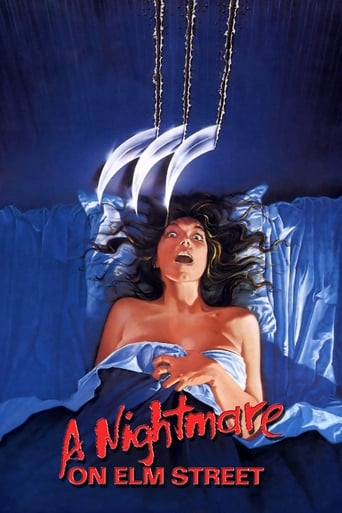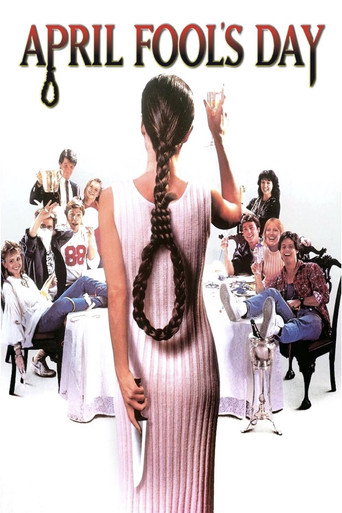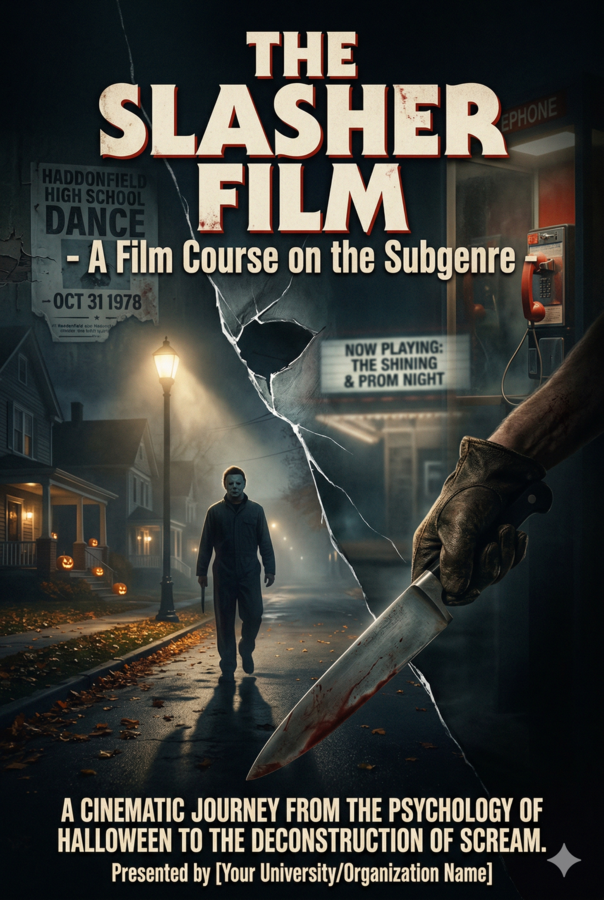
The Slasher Film - A Film Course on the Subgenre
11 films See all 11 films ↓THE HISTORY OF THE SLASHER FILM:
The distinguishing features of slasher as a specific subgenre are: a singular killer (usually masked or obscured), a body count structured around sequential killings, a "final girl" or equivalent survivor, and the identification of the audience primarily with the hunted rather than (as in splatter) the mechanisms of death themselves. Gore can be present but is not the point. The point is pursuit, dread, and survival.
Many want to point to Psycho as the beginning of the genre. Psycho (1960) is a precursor but not cleanly a slasher film. Norman Bates is not a masked, itinerant killer moving through a defined group of victims. The film's structure is closer to a psychological thriller that happens to contain murders. The shower scene is iconic but the film's architecture — one location, small cast, Hitchcock's subversion of genre expectations — is different from the slasher template. The more defensible genealogy has three actual roots:
1. Italian giallo
Mario Bava's Blood and Black Lace (1964) is arguably the first film that has the full slasher structure: a masked killer, a group of victims, sequential murders, suspense over who survives. Dario Argento's The Bird with the Crystal Plumage (1970) and Deep Red (1975) refine this. These films are direct ancestors of the American slasher and the filmmakers knew it — Carpenter, Craven, and others cite Bava explicitly.
2. Psycho and its American imitators
Homicidal (1961), Strait-Jacket (1964), and William Castle knockoffs established a market for killer-focused horror in American cinema. But these are still primarily in the Hitchcock mold.
3. The "backwoods" strain
The Texas Chain Saw Massacre (1974) and The Hills Have Eyes (1977) introduce the rural/isolated setting, the group of victims, and the dehumanized killer, but lean toward horror of place and family rather than the pure pursuit structure.)
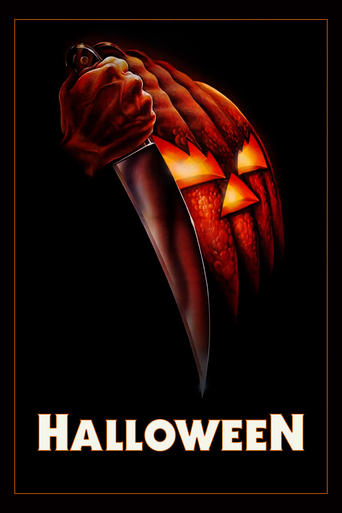
The real origin point: Halloween (1978)
For a course on slasher as a discrete subgenre, Halloween is where you plant the flag. It codifies the template that everything after it either follows or consciously reacts to. Halloween made $47 million on a $300,000 budget. That is the real reason 1980–1984 becomes the slasher explosion.
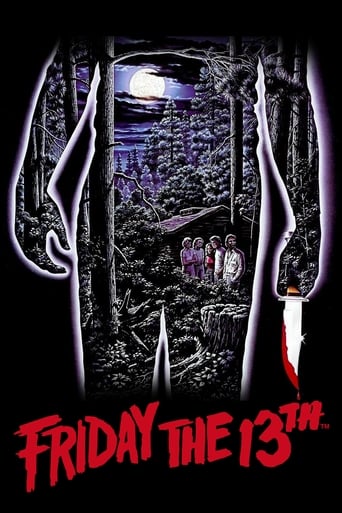
The classic form exhausts itself by roughly 1989–1991. The sequels have stripped out everything interesting. Friday the 13th Part VIII: Jason Takes Manhattan (1989) is a reasonable endpoint for the original cycle.
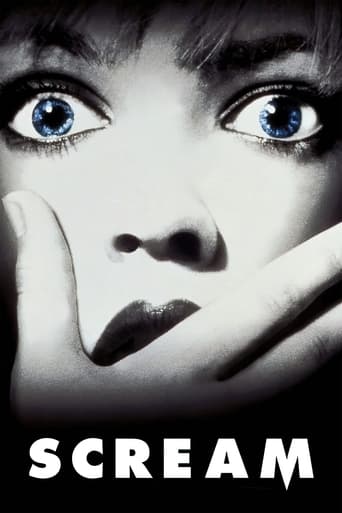
Scream (1996) revives it but changes the terms — the genre becomes self-aware. The killer in Scream knows he's in a slasher film. This is both the genre's peak of cultural sophistication and the beginning of its permanent ironic mode. You can't make an un-ironic slasher after 1996 without being naive.