Critters Collection
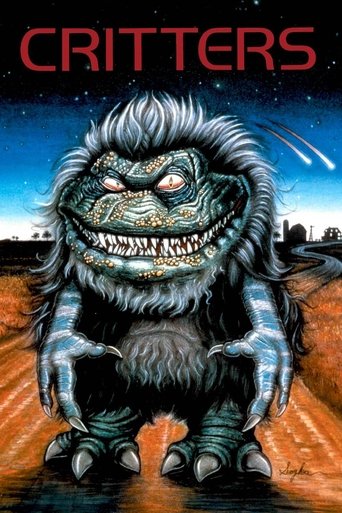
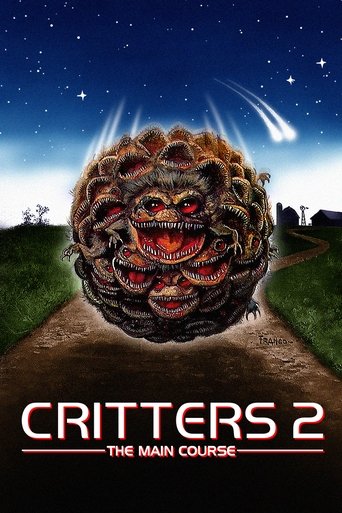
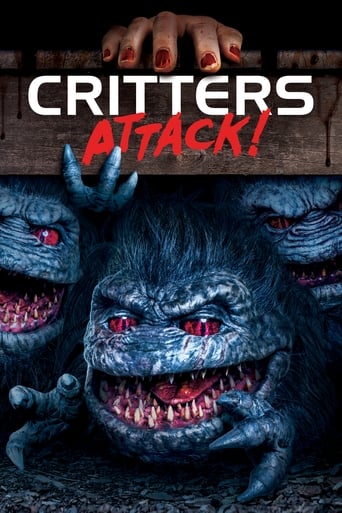
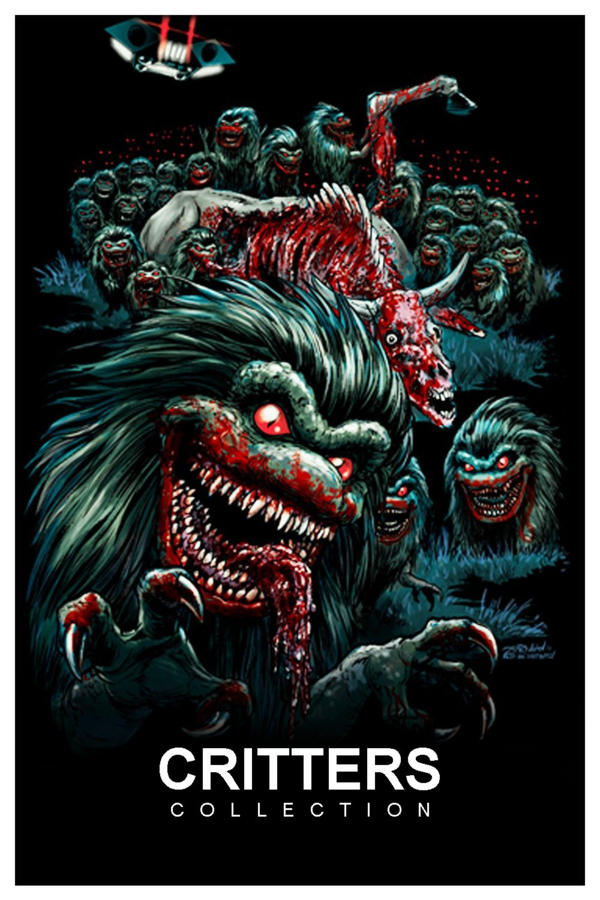
5 films See all 5 films ↓The "Gremlins ripoff" label this franchise has carried for decades doesn't hold up as well as its reputation suggests. Director Stephen Herek has said directly that the first Critters script, written by Domonic Muir, was already in development before Gremlins went into production — "I don't think I saw Gremlins until we were in post-production," he's said. Bad timing did the real damage: Critters arrived in April 1986, nearly two years after Gremlins had already defined the "small toothy monster causes chaos" premise in the public's mind, so however independently it actually started, there was no outrunning the comparison once it hit theaters. There's a real irony in how that played out over time, though — Gremlins only ever got one sequel, 1990's The New Batch, while Critters kept going for four theatrical films and, decades later, a streaming revival. The "knockoff" ended up with the longer career.
The original film is sharper and more self-aware than its reputation implies, too, with specific references built in rather than just borrowed atmosphere: a nod to Ghostbusters in the bowling-alley uniforms, the fictional town name "Grover's Bend" echoing Orson Welles's War of the Worlds broadcast, and a cast built partly around Dee Wallace's own genre history, just a few years removed from E.T. — with Billy Zane also appearing in this first entry. It was made for something like $2 to 3 million and brought in over $13 million, a strong enough return to justify everything that followed.
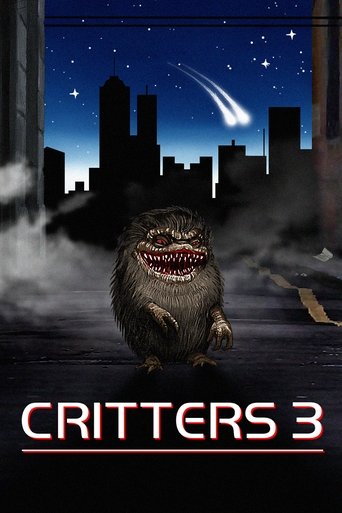
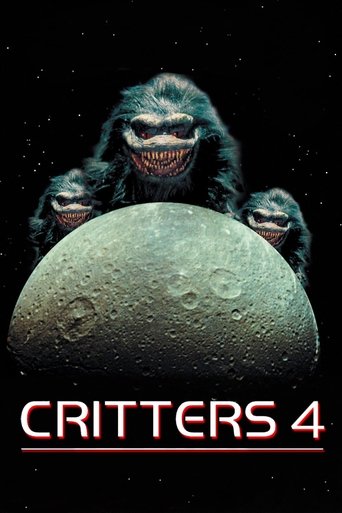
What followed included the film most people actually know this franchise for now: Critters 3, in 1991, gave a 17-year-old Leonardo DiCaprio his actual screen debut, playing a tenant leading the fight against an apartment building infestation. It and Critters 4 were shot back to back to save money — not his most celebrated work, but it's the real start of his career, not a footnote added after the fact.
The name on the poster isn't his either. German distributors told him "Jacinto Molina" sounded too Spanish to sell the film internationally, so he invented one on the spot — "Paul" after Pope Paul VI, and "Naschy" as a Germanic-sounding version of Imre Nagy, one of his own weightlifting idols. A Catholic pope and a Hungarian Olympic weightlifter, combined into the name that would become synonymous with Spanish horror. International distributors then did their own damage to the films' identities: this same first film was released in the US as Frankenstein's Bloody Terror, a title that has essentially nothing to do with what's actually in it.
What that one film started ran to twelve official Daninsky entries across the rest of Naschy's career, of which this collection covers five, made in a five-year stretch in the early-to-mid 1970s — continuity between installments was loose at best, each one largely standing on its own. Naschy wrote most of them himself, often under his real name, and directed several outright. What's genuinely distinctive about his approach, compared to the Universal and Hammer monsters he was openly drawing from, is that he played Daninsky less as a creature to fear and more as a tragic, sympathetic figure cursed against his will — turning Spain's answer to the Wolf Man into something closer to a doomed romantic lead than a monster, and in the process more or less inventing Spanish horror cinema as its own going concern.