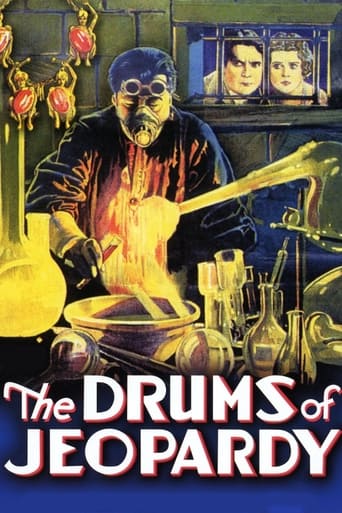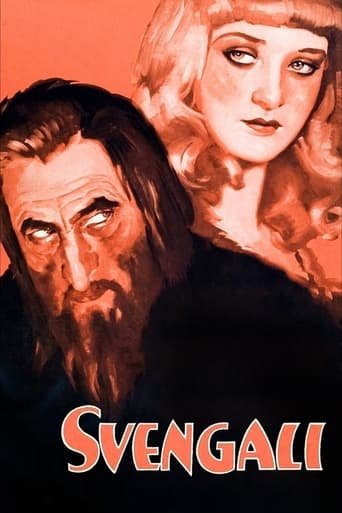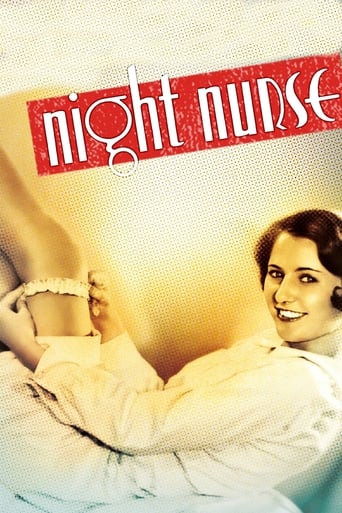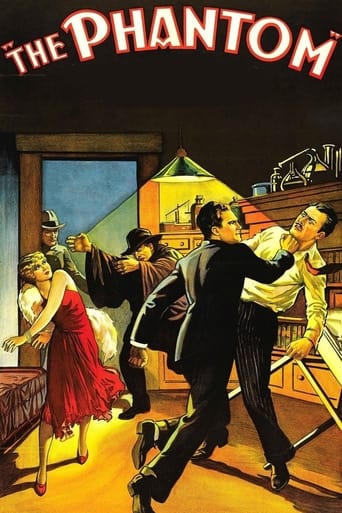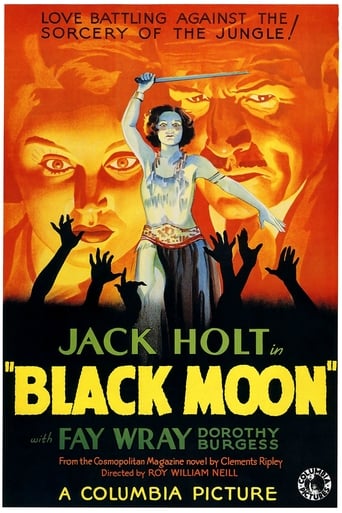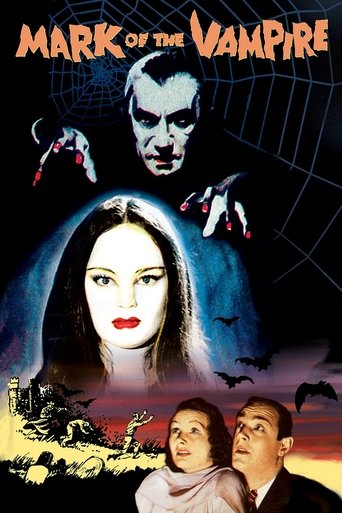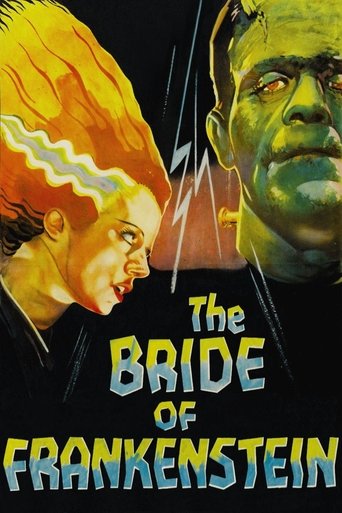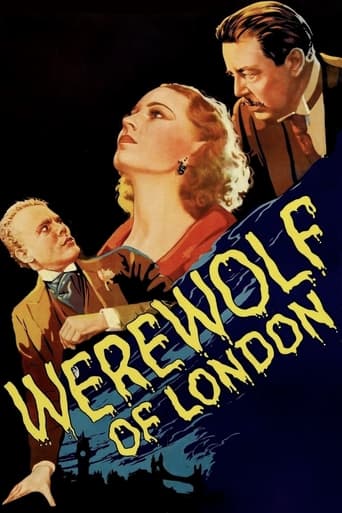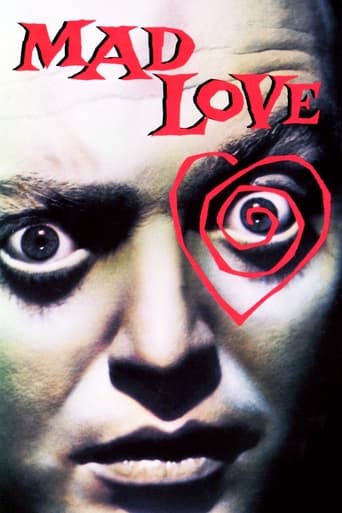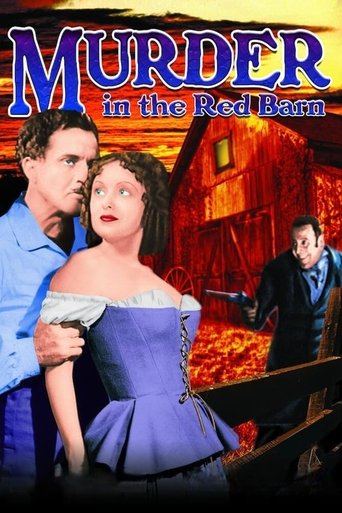
1930's horror
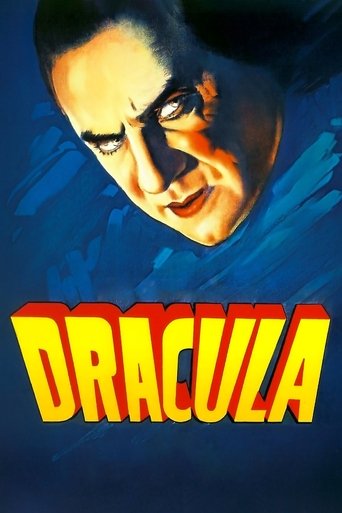
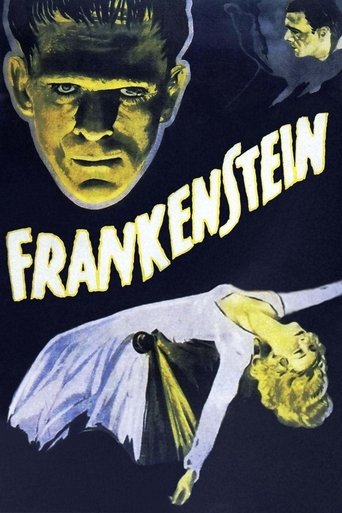
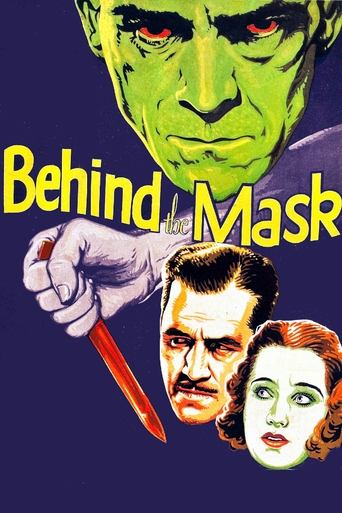
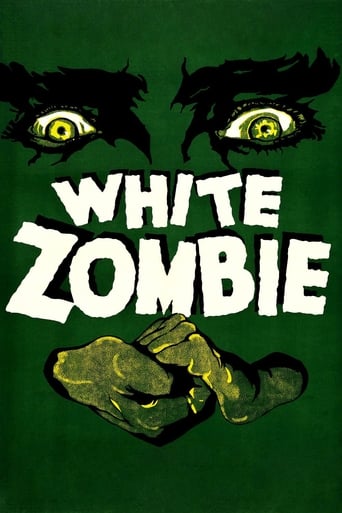
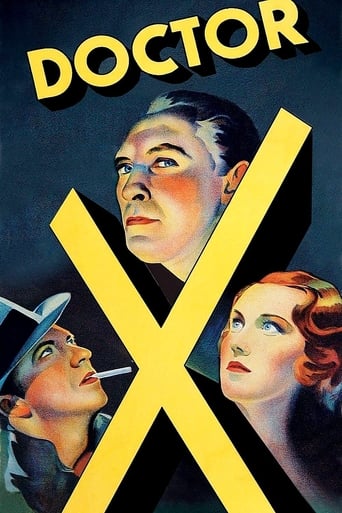
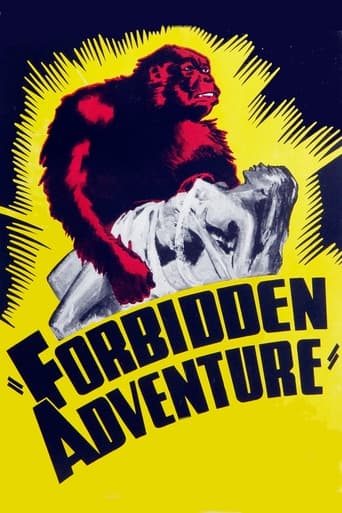
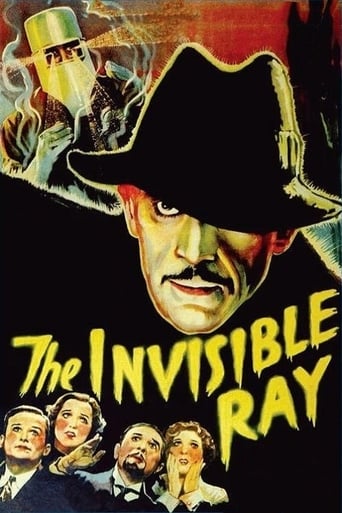
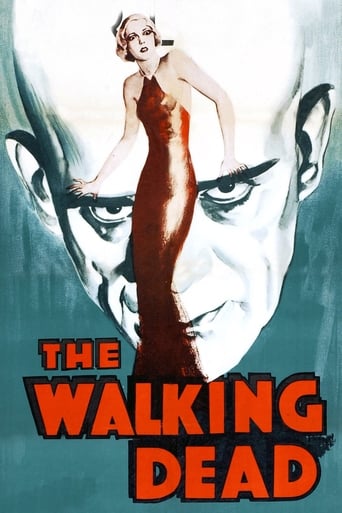
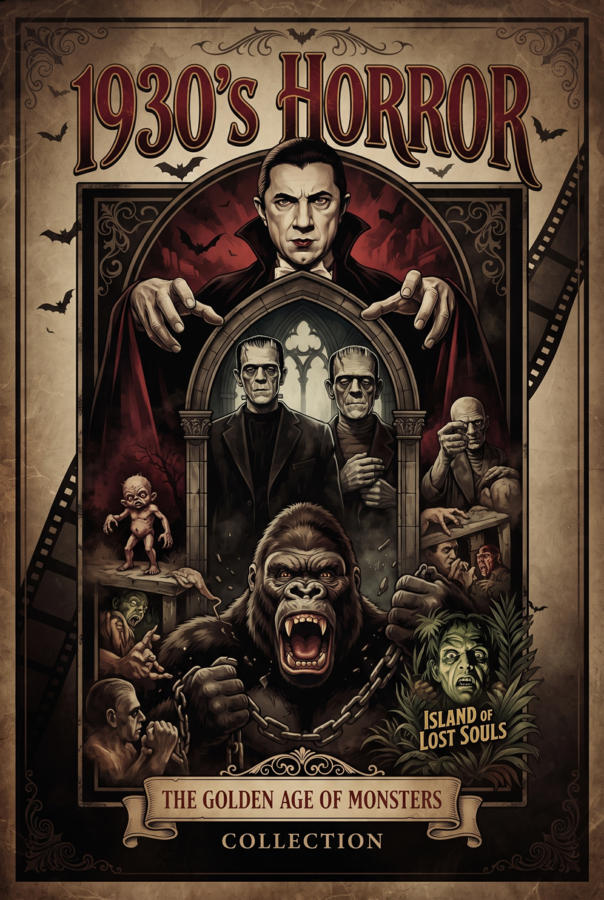
78 films See all 78 films ↓The decade was completely dominated by Universal Pictures, which launched the first major cinematic universe of monsters. Following the massive box office success of Dracula and Frankenstein in 1931, the studio established a formula that combined gothic atmosphere with tragic, misunderstood villains.
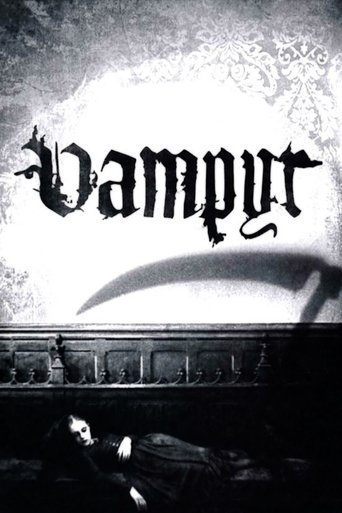
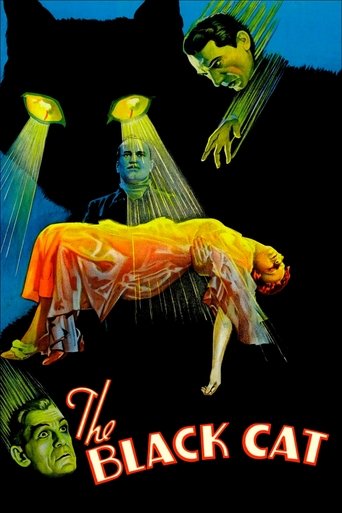
Horror in the 1930s borrowed heavily from German Expressionism, a style brought over by European filmmakers fleeing political unrest. Directors used dramatic chiaroscuro lighting (sharp contrasts between deep shadows and bright light), distorted sets, and fog-drenched landscapes to create an atmosphere of psychological dread and gothic romance. This look became the permanent visual shorthand for haunted castles, mad scientist laboratories, and misty graveyards.
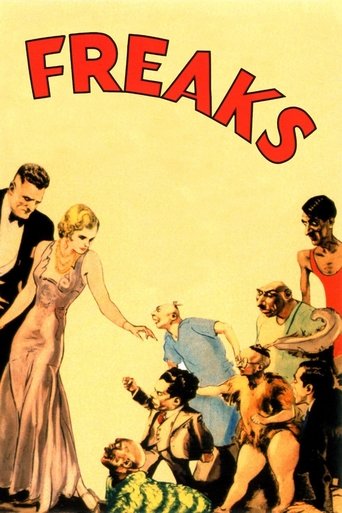
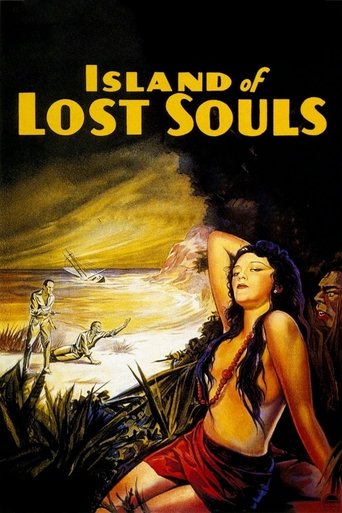
The decade was sharply divided by Hollywood censorship: Pre-Code Horror (1930–1934): Before enforcement of the Motion Picture Production Code (Hays Code), filmmakers pushed boundaries with surprisingly intense themes. Movies like Freaks (1932) and Island of Lost Souls (1932) explored body horror, mutilation, and dark sexuality. Post-Code Shift (1934 onward): Once the strict censorship guidelines were enforced, direct violence and psychological perversion were toned down. Filmmakers had to rely more on suggestion, suspense, and atmospheric dread, which arguably heightened the artistic sophistication of late-30s horror.
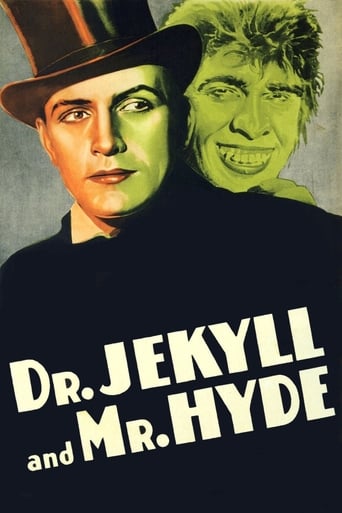
The psychological weight of the Great Depression heavily influenced how audiences consumed these films. The monsters of the 1930s were rarely pure evil; instead, they were often tragic figures forced into existence by science gone wrong, curses, or societal rejection. Audiences deeply resonated with these themes of alienation, loss of control, and being at the mercy of larger, unexplainable forces.Ultimately, 1930s horror took low-budget pulp stories and elevated them into high gothic art, creating a blueprint that filmmakers still copy today.