Splatter
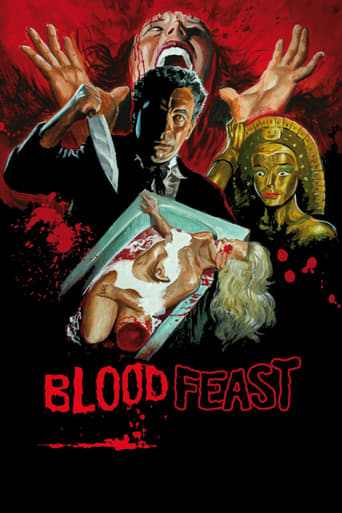
34 films See all 34 films ↓Splatter horror is organized around one idea: the body's destruction shown in unmistakable, unambiguous visual detail is the point, not a shock tactic serving some larger mystery or dread. It's the deliberate opposite of suggestion. That opposite has a specific origin. Herschell Gordon Lewis and producer David F. Friedman had spent the early '60s making cheap softcore "nudie-cutie" films until the market saturated; looking for a new, unclaimed commercial niche, they reportedly considered and rejected "Nazi torture" and "con man evangelist" before landing on gore. The result, shot in about four and a half days, was Blood Feast (1963) — widely credited as the first actual splatter film, and a direct reversal of what Psycho had done just three years earlier: where Hitchcock suggested violence through editing and let black-and-white stand in for blood, Lewis showed full, saturated red in unflinching close-up and built an entire aesthetic around it.
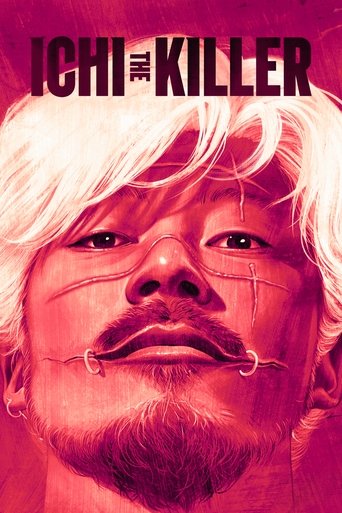
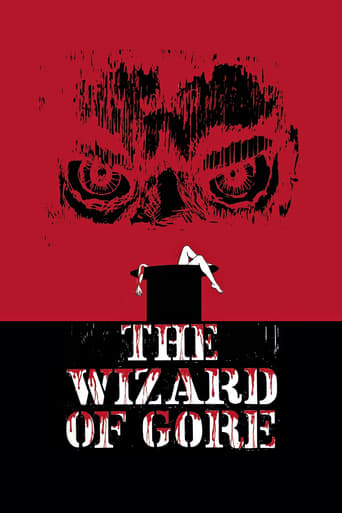
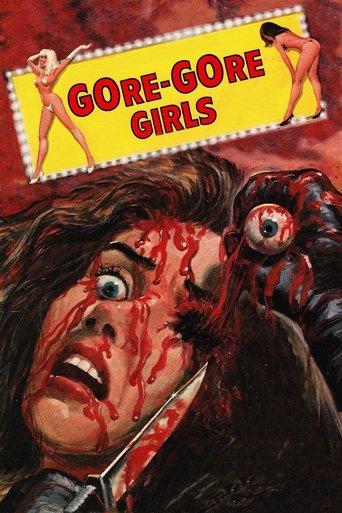
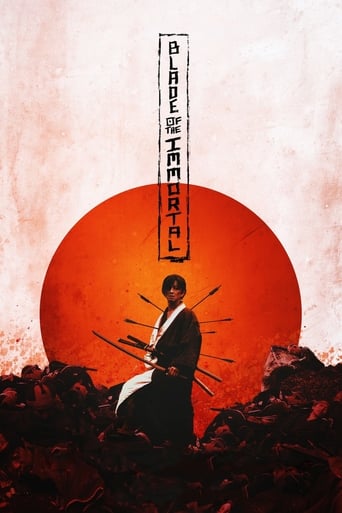
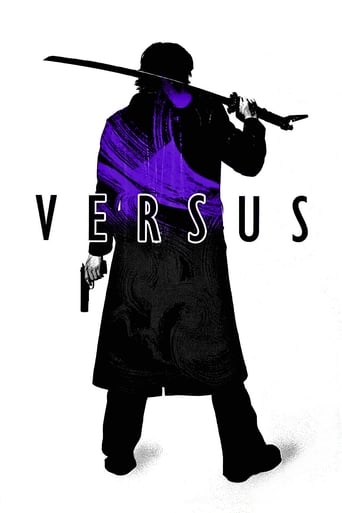
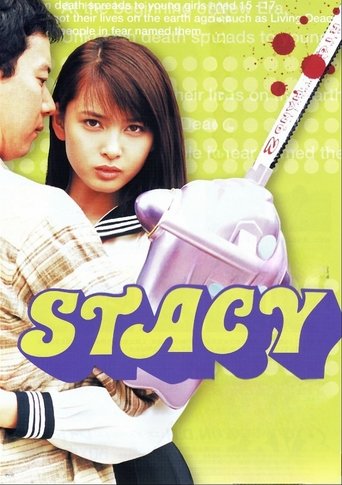
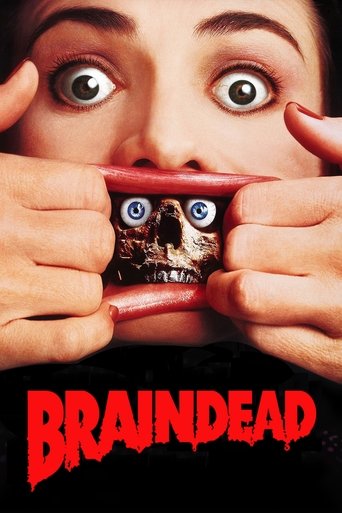
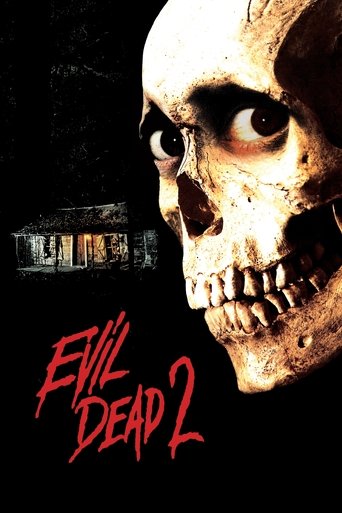
Lewis turned that into a repeatable business for the next decade — Two Thousand Maniacs!, Color Me Blood Red, and this collection's own The Wizard of Gore and The Gore Gore Girls — selling films on the gore itself as the primary draw, playing the same drive-in circuit his nudie films had already opened up. The next real leap in the American tradition came from ambition rather than shock value alone: Sam Raimi's Evil Dead films and Stuart Gordon's Lovecraft adaptations (Re-Animator, From Beyond) turned practical gore effects into genuine technical showmanship, something to be admired as craft rather than just endured. That specific American strain — gore as deliberate, skilled spectacle — is the lineage a Japanese wave of splatter films explicitly picked up decades later and pushed further. Yoshihiro Nishimura, a special-effects artist on films like Suicide Club before he started directing, has been called Japan's answer to Tom Savini; his Tokyo Gore Police and Helldriver are routinely described by critics as extending a "post-Evil Dead" tradition of practical gore into something even more extravagant, alongside a wider mid-2000s scene of Japanese "gonzo splatter" films built on the same premise.
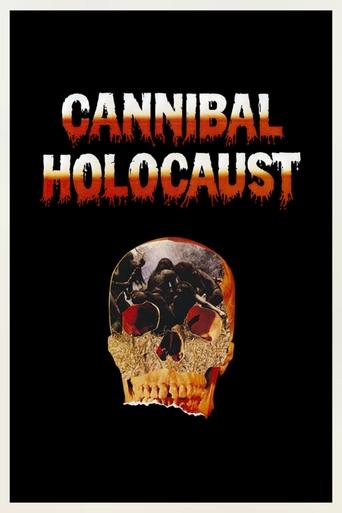
This genre's most extreme collision with the world outside the movie theater belongs to Cannibal Holocaust (1980). Ruggero Deodato's found-footage cannibal film was convincing enough that Italian authorities charged him with murdering his own cast, on the theory that the film's violence was real; he'd had his four lead actors sign contracts agreeing to disappear from public view for a year specifically to fuel that illusion, a promotional trick The Blair Witch Project would borrow, knowingly or not, nearly two decades later. Deodato beat the murder charge only by producing his actors alive in an Italian courtroom — but was still convicted of obscenity over the film's real, on-camera animal deaths, a separate and still-unresolved stain on the film's reputation that has nothing to do with its fictional violence at all.
What holds this collection together across sixty years and at least two continents, then, isn't a shared plot or setting but a shared commitment to showing rather than implying — treated by Lewis as a commercial gap to fill, by Raimi and Gordon as a technical craft to master, by Nishimura as an American inheritance to escalate, and by Deodato as something realistic enough to nearly cost him his freedom.