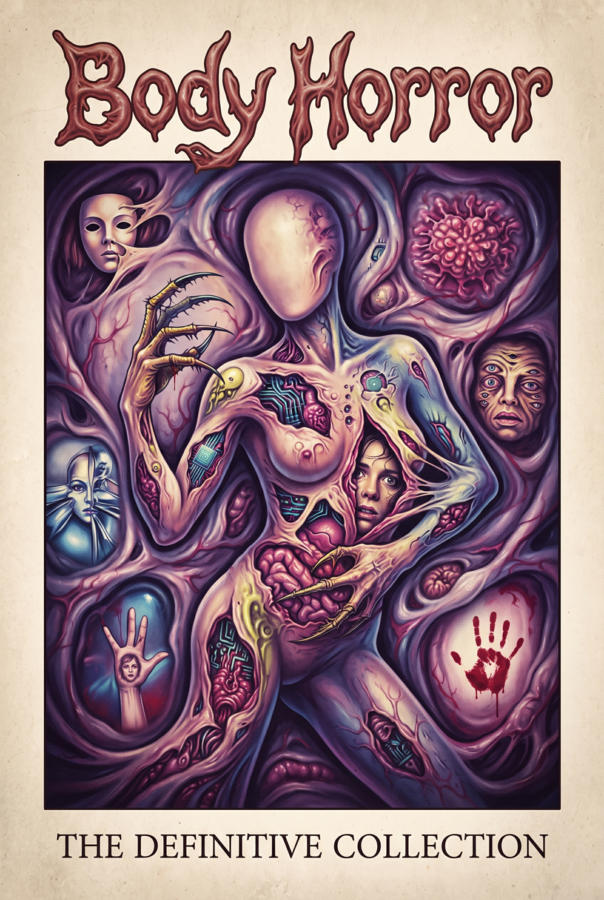
Body Horror
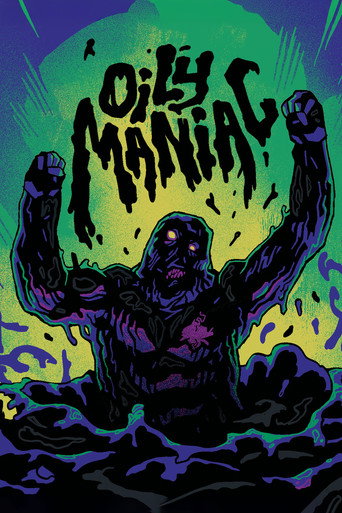
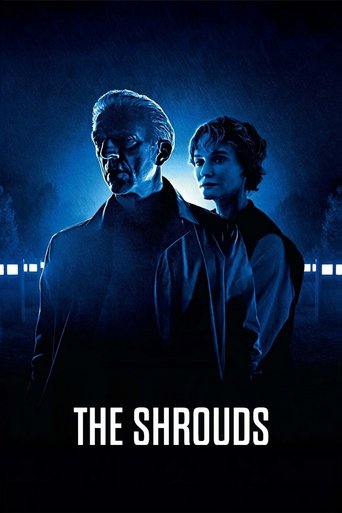
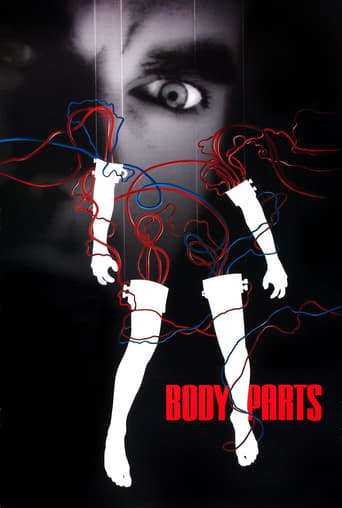
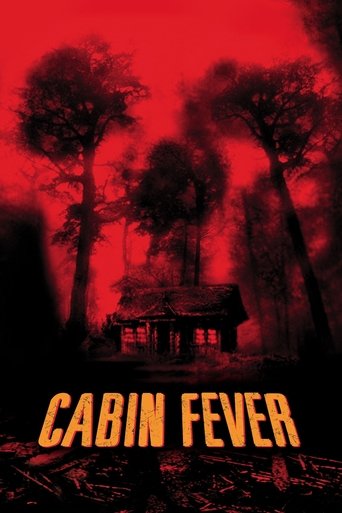
132 films See all 132 films ↓Body horror isn't about a killer, a ghost, or a monster coming from outside — it's about the body turning on itself. The threat here is internal: flesh, cells, or biology breaking from the person's own control, usually by degrees, usually with no consent involved. That's also what separates this from splatter or gore as a category: the effects can be as extreme as anything in horror, but the fear isn't really about the explicitness on screen. It's the idea that your own body might stop being yours.
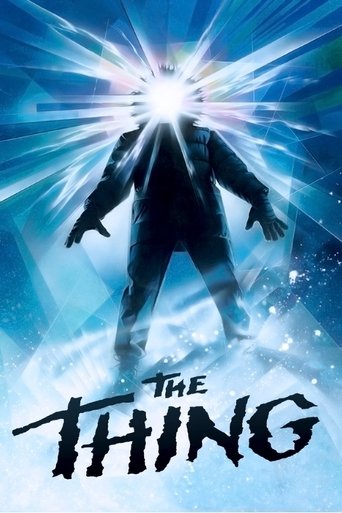
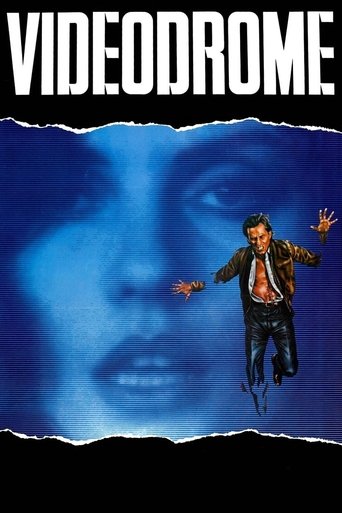
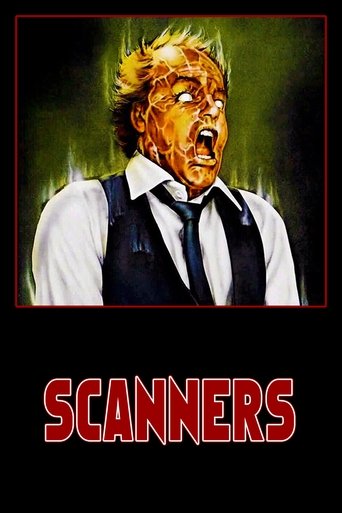
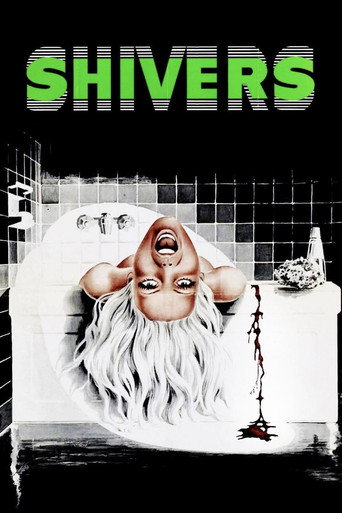
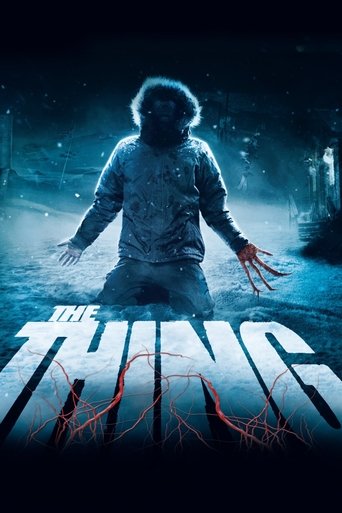
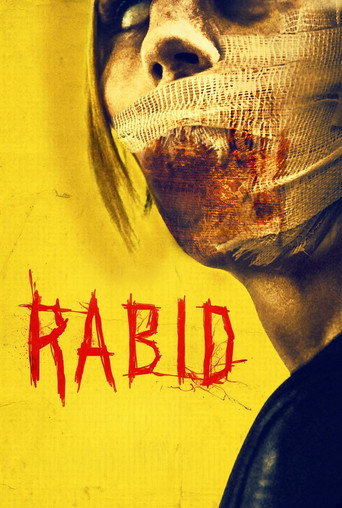
The term itself is younger than most of the films in it. Critic Philip Brophy coined "body horror" in a 1983 essay specifically to name a wave of films he saw breaking away from the slasher formula that had dominated horror since Halloween five years earlier — citing, as his own examples, the chestburster in Alien, the exploding head in Scanners, and the shape-shifting horror of The Thing. David Cronenberg is the genre's defining figure almost by consensus: Shivers, his 1975 debut, was widely read on release as a metaphor for venereal disease, and everything from Rabid through Videodrome built the same obsession into a body of work critics still treat as the genre's center of gravity.
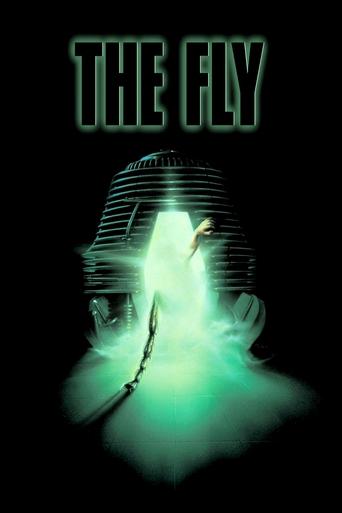
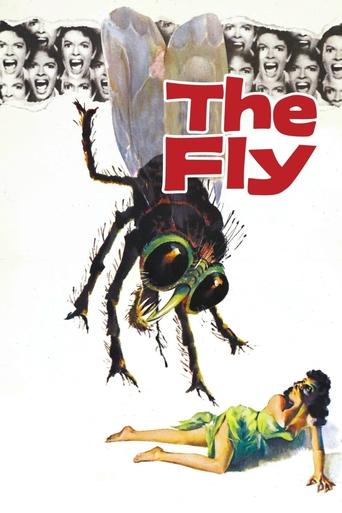
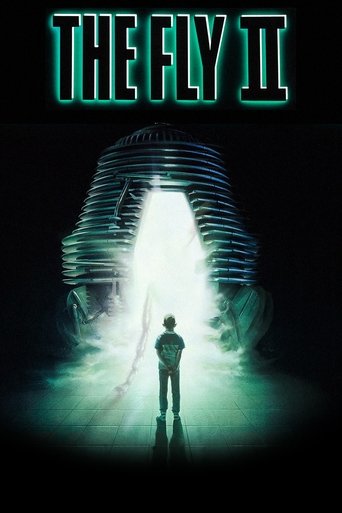
The Fly is both the genre's best-known film and its most contested one. Made and released as AIDS was becoming a fixture of public consciousness, critics and institutions from the time onward have read Seth Brundle's slow physical disintegration as a direct metaphor for the disease — the BFI itself frames the film that way. Cronenberg has pushed back on that specific reading more than once, saying he was aiming at something broader: aging, cancer, the general fact that bodies fail long before minds are ready to let them, and that he was genuinely surprised critics narrowed it to one disease that was only just entering wide public awareness while he was making the film. Both readings are still very much alive, which is arguably the most on-brand thing that could happen to a Cronenberg film.
None of this started with cinema. Mary Shelley's Frankenstein, in 1818, is regularly cited as body horror's literary origin — a body assembled from parts, existing as a source of dread in itself. Kafka's The Metamorphosis, in 1915, gave the genre its other template: a man waking up transformed into something else entirely, for no stated reason, with no way back — a premise critics have pointed to directly as an influence on The Fly, nearly seventy years later. The genre cinema didn't invent the fear; it just found a way to put it on screen.