Psycho Collection
4 films See all 4 films ↓Robert Bloch was writing the novel this collection is based on roughly forty miles from Plainfield, Wisconsin, when police searched Ed Gein's farmhouse in November 1957 and found what they found. Bloch has said the mother-obsessed, cross-dressing killer at the center of his book was substantially his own invention, already mostly written before Gein's arrest made headlines — and that he was genuinely unsettled by how closely his fictional psychology ended up matching the real case once the details came out. That same Wisconsin case would go on to seed two more of American horror's defining villains: Leatherface fourteen years later, and Buffalo Bill seventeen years after that. Three of the genre's most significant killers, three different decades, one obscure real one.
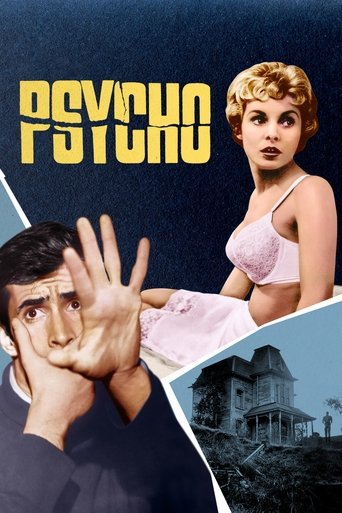
Paramount wanted nothing to do with the material, so Hitchcock financed the film largely himself, through his own television production company, and shot it in black and white with his TV crew and comparatively unknown actors — partly to keep costs under a million dollars, partly because he judged the shower scene would be unwatchable in color. Paramount, expecting it to fail, deferred most of the box office to Hitchcock personally rather than fight him over a picture they didn't want; it grossed something like $50 million, and he kept the bulk of it. The marketing turned into genre history on its own terms: Hitchcock instituted a strict no-late-admission policy, breaking with the standard practice of the era, where audiences wandered into a picture whenever and simply stayed through the next showing to catch what they'd missed. Theater signs informed audiences that no one would be admitted after the film started, "not even the manager's brother, the President of the United States, or the Queen of England." It created lines around the block, and it permanently changed how American theaters ran their showings.
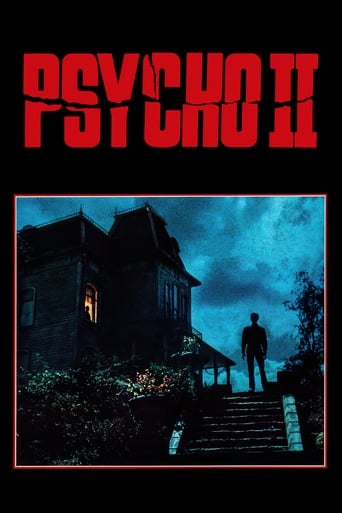
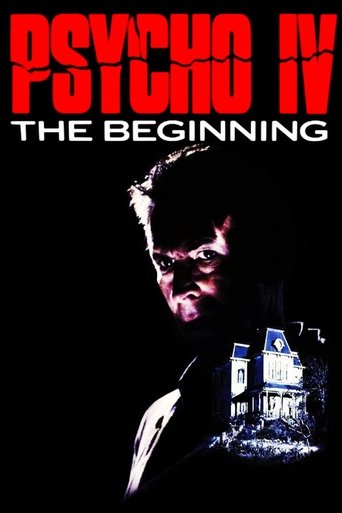
The sequels track an unusual, fairly graceful decline rather than a franchise running itself into the ground. Psycho II arrived twenty-three years later with essentially no audience clamoring for it, and was unusually well received for a legacy sequel to an untouchable classic. Psycho III, in 1986, was directed by Anthony Perkins himself — an actor who'd spent two decades fighting the way this one role had defined his entire career, choosing to finally take ownership of it from behind the camera rather than continue being typecast by it from in front of one. By Psycho IV: The Beginning in 1990, the series had quietly moved off movie screens entirely, landing as a cable television film built around flashbacks to a young Norman and his mother — origin story rather than continuation, and the last stop for a character who'd started out defining what a movie murderer could be.